
Massage for carers.
Restorative remedial and Kahuna bodywork for family carers on the Sunshine Coast. The physical load of lifting and supporting. The depletion of long-term caregiving. Mobile to your home for the hour you can carve out.
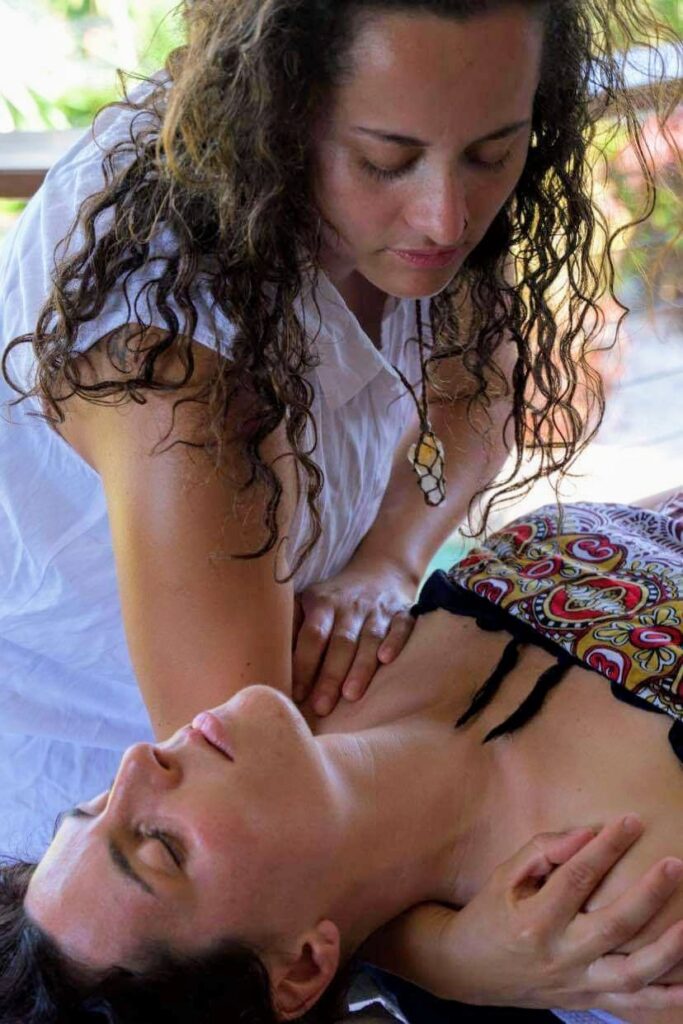
Why caring carries a particular load.
Family carers (those looking after an elderly parent, a partner with a chronic illness, a child with disability, a relative in recovery) carry a body load that's both physical and nervous-system. The physical side is real: lifting, transferring, supporting, bending over wheelchairs, helping with showering and dressing, sometimes night-time interruptions for years. The nervous-system side is the constant vigilance: listening, anticipating, holding emotional weight that doesn't have a finish line. Massage for carers addresses both layers.
Carers are an underserved audience in massage and broader self-care contexts; the workload often makes the carer's own needs invisible. Recovery massage for carers works best when framed as part of sustaining the caring, not separate from it. You can't continue if your own body breaks down. The session is maintenance that keeps the rest viable.
Common carer body issues.
Four clusters cover most of what carers bring through the door. The mix shifts by what the caring involves.
Lower back and hips
Lifting and transferring, bending over wheelchairs and beds, helping someone in and out of the car. The single most common carer complaint. Lumbar erectors, quadratus lumborum, and glutes carry the repeated awkward load.
Shoulders, neck, upper back
Supporting weight, prolonged stooped postures, holding tense for hours. Traps and rhomboids carry the held-up vigilance pattern. The upper back rarely fully releases without intervention.
Hands, wrists, forearms
Gripping, holding, fine motor tasks repeated dozens of times daily. Helping with feeding, dressing, medication, mobility. Carers report wrist pain, thumb pain, and forearm tightness alongside the larger patterns.
Nervous-system depletion
Broken sleep, sustained hypervigilance, emotional weight without end-point. The body holds it even when nothing acute is happening. Massage can settle the muscular layer that carries that pattern; Kahuna bodywork particularly suits this restoration role.
How I tailor the session.
A carer session starts with the picture: who you're caring for, what the caring involves day to day, how long you've been at it, what's flared. From there, the work targets the patterns. A 90-minute Kahuna restoration tends to suit carers best when the goal is broad reset: flowing full-body work that settles the nervous system alongside the muscular layer. Targeted 60 to 75-minute remedial suits when a specific complaint needs focused attention.
I'm Lorena, with Diploma of Remedial Massage (HLT52015), ANTA registration, and Mette's Institute Kahuna L1-3 training. For massage for caregivers, the Kahuna bodywork often delivers more meaningful reset than focused remedial alone; the load is broad and the body needs the broader treatment. Remedial still suits specific complaints. Many carers alternate between the two.
Scope of what massage can do
- Massage helps the muscular layer carrying the physical load, and settles the nervous-system layer
- Massage isn't counselling: for emotional weight, a psychologist, counsellor, or carer support service is the right contact
- Massage isn't medical care: anything acute (severe pain, new symptoms, deteriorating function) needs GP review
- The session is one hour of restoration, not a solution to caregiver burnout; lasting change needs the wider support picture
When to book.
Three patterns suit most carer situations. Choose what fits the current intensity.
Short course
When caring has intensified or a specific pattern has flared. Closer-spaced sessions settle the muscular layer; spacing widens as the pattern eases.
Monthly maintenance
The standard rhythm for long-term caring. Enough to hold the baseline against ongoing load; spaced to fit around the realities of caring.
When support is in place
Booked around regular respite, NDIS support shifts, day programs, or family-relief stretches. The natural windows that don't add to the logistics load.
Mobile to your home.
For most carers, getting to a clinic isn't realistic. Mobile sessions to your home across the Sunshine Coast are usually the only practical option: a session at home while another family member, friend, or support worker sits with the person; during scheduled respite; or while they nap. The full setup comes with me; you need a quiet room and someone present with the person being cared for.
Clinic at Valdora available if you have cover at home. Full details on mobile massage.
Session pricing.
Carer sessions usually run 60 to 90 minutes depending on the window. Claimable through extras cover as remedial; receipts available for any carer-support reimbursement.
Mobile prices include travel surcharge by zone ($10 to $30 depending on suburb). Full pricing page.
Carer massage FAQ.
Can I book around the person I care for?
Yes, this is the most common scheduling pattern. Mobile to home is usually the only practical option: a session while another family member, friend, or support worker sits with the person, while they nap, or during a respite window. Some carers book around NDIS support shifts, day programs, or hospital appointments. The diary works around real life.
I never have time for myself, how do I make this work?
Honestly, the obstacle is rarely the session itself; it's giving yourself permission to use the hour. Mobile to home removes travel time; an hour is enough for meaningful work; the session can be timed around existing respite. Self care for carers is a sustainability piece; you can't continue caring if your own body breaks down. The session counts as part of the caring.
Can a carer payment or NDIS funding cover this?
Depends on the funding. Carer payments from Centrelink are income support, so massage falls under what the carer chooses to spend on. NDIS funding generally covers services for the participant rather than the carer, though some plans include carer wellbeing components. Carer support organisations sometimes offer self-care vouchers. Receipts available for reimbursement.
Book your session as a carer.
Restorative bodywork for the body and nervous system that carries the load. Sunshine Coast clinic at Valdora or mobile to your home for the hour you can carve out.