Kahuna vs Lomi Lomi: what's the difference?
Kahuna vs Lomi Lomi: what's the difference?
Lomi Lomi is the broader umbrella Hawaiian term for Hawaiian massage. Kahuna is one specific lineage within Lomi Lomi. Both use long flowing forearm strokes across the whole body; the distinction is lineage and curriculum rather than core technique.
If you've been researching Hawaiian-style bodywork on the Sunshine Coast, you'll have come across both names and probably wondered whether they're the same thing or two completely different modalities. The honest answer sits somewhere in between, and the difference between Kahuna and Lomi Lomi matters more for some seekers than others. I'm Lorena, trained at Mette's Institute in the specific Kahuna lineage; this piece walks through the genuine distinctions, why they exist, and what it means for choosing a practitioner.
A closer look at both terms.
Lomi Lomi as the umbrella term
In Hawaiian, lomi lomi literally means "to rub, knead, or massage". Historically, lomi lomi was a normal practice within Hawaiian families and communities, with more refined forms practised by healing specialists (kahuna lapa'au). The term as it travels internationally now covers a wide range of teaching lineages, each with its own style, emphasis, and curriculum. Some of the better-known lineages include Aunty Margaret Machado's traditional family style, Hawaiian Temple Bodywork descending from Kahu Abraham Kawai'i, and various practitioner-specific lineages. Lomi Lomi is the family name, not a single method.
Kahuna as one lineage within that family
Kahuna massage (sometimes called Kahuna Bodywork or Temple Style) refers to a specific lineage that descends largely from Kahu Abraham Kawai'i, a Hawaiian teacher who shared his work internationally. In Australia and Europe, the Kahuna curriculum is most often taught through Mette's Institute, founded by Mette Sorensen who studied with Hawaiian teachers and developed her own training programme across Levels 1, 2, and 3. My training is in this Mette's Institute Kahuna lineage; it's a specific curriculum within the broader Lomi Lomi family rather than a separate tradition.
Where the confusion comes from
The naming is genuinely confusing for several reasons. The word kahuna in Hawaiian means "expert" or "keeper of knowledge", and historically applied to specialists in many fields including healing. Different teachers internationally have chosen to call their work different things: Kahuna Bodywork, Hawaiian Temple Massage, Lomi Lomi Nui, Hawaiian Lomi Lomi, all referring to closely related but not identical curricula. The lomi lomi vs kahuna question often gets posed as if it's a contest between two separate things, when in fact it's a question about lineage and naming within a broader tradition.
"Lomi Lomi is the family name, not a single method. Kahuna refers to one lineage within that family."
Why this matters for you.
Whether the distinction matters depends on what you're actually looking for. The difference between Kahuna and Lomi Lomi practitioners can range from "important to know" to "doesn't really matter" depending on the seeker.
It matters more if: you're specifically researching Hawaiian healing traditions, you've worked with a particular teacher or lineage before and want to stay within that tradition, you're seeking treatment from an indigenous Hawaiian practitioner specifically, or you're studying the tradition academically or as a future practitioner.
It matters less if: you've heard of Hawaiian-style flowing bodywork and want to experience it, you've enjoyed a session somewhere previously and want something similar, you're looking for a full-body restorative session in contrast to targeted remedial work, or you simply want to know what to expect on the table.
For most patients walking through the door on the Sunshine Coast, the second category is the right one. They've heard of Hawaiian-style bodywork (whether they call it Lomi Lomi or Kahuna), they're drawn to the flowing whole-body approach, and they want to experience it locally with a qualified practitioner. The Kahuna lineage I work in delivers that experience.
Side-by-side at a glance.
What to ask when choosing a practitioner
- Where did you train? Specific teacher, school, or lineage; not just "Hawaiian massage"
- How long was the training? Reputable Kahuna and Lomi Lomi curricula run multiple levels over months or years
- What's the session length you usually work with? 90 minutes is typical; shorter sessions don't suit the modality well
- Do you also do remedial work? Useful to know if you might want both kinds of session over time
- What's your professional registration? ANTA, ATMS, AMT, or similar; relevant for health fund rebates
When to book a Kahuna session.
If after reading this you're interested in experiencing the Kahuna lineage specifically (or are happy to receive Hawaiian-style flowing bodywork without being attached to one particular sub-lineage), here's when it tends to suit:
- Stress and nervous-system depletion. The whole-body flowing approach settles the system in a way targeted remedial work doesn't.
- End of a long stretch. Major work projects, intense parenting phases, post-illness recovery; anywhere the body has been on for too long.
- Curiosity about Hawaiian-style bodywork. If you've heard of Lomi Lomi and want to experience the family of techniques locally, a Kahuna session delivers the signature feel.
- Restorative rather than treatment-focused. Different goal than fixing a specific muscle complaint; for that, remedial massage usually suits better.
For background on my training and the specific lineage, the about page covers it; for the modality itself, see Kahuna massage.
Common questions.
Is Lomi Lomi the same as Kahuna massage?
Not exactly. Lomi Lomi is the umbrella Hawaiian term covering multiple lineages; Kahuna is one specific lineage within that broader tradition. They share the signature flowing forearm-led whole-body approach, but teaching traditions, curricula, and emphases differ. A practitioner trained in Kahuna (such as through Mette's Institute) hasn't necessarily trained in other Lomi Lomi lineages like Aunty Margaret Machado's style, and vice versa.
Will Kahuna massage feel similar to Lomi Lomi?
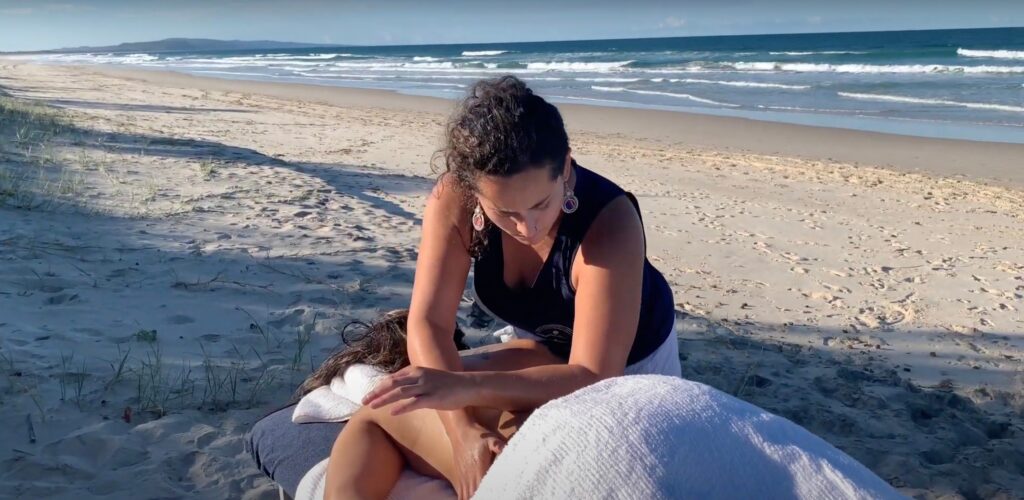
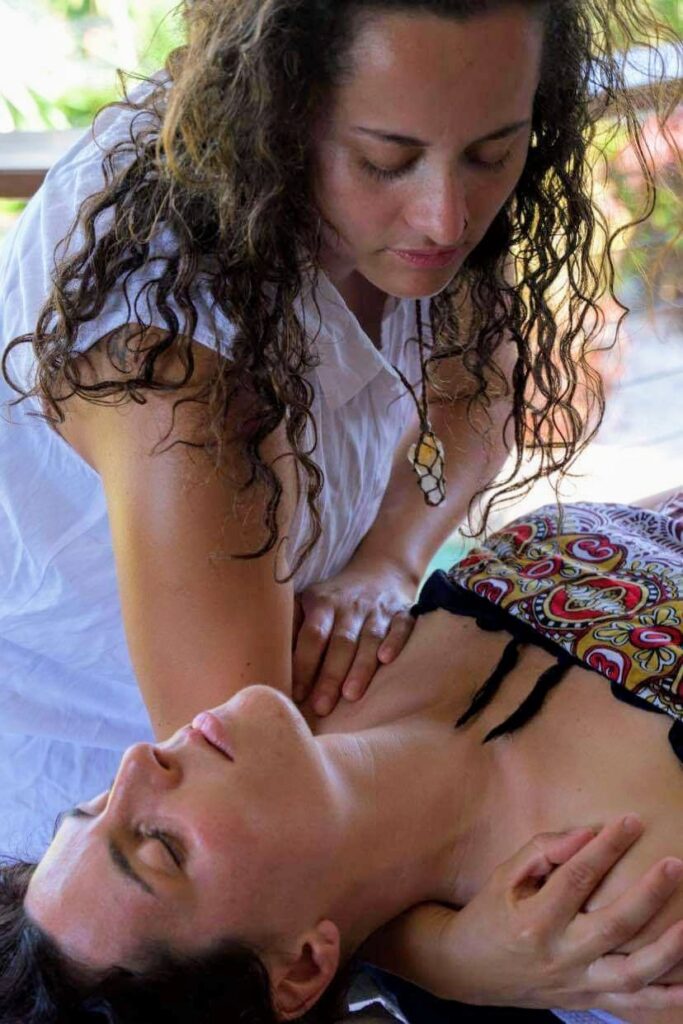
On the table, yes, the experience is closely related. Both use long flowing forearm strokes that travel across the whole body, both work with breath and rhythm, both aim at full-body restoration rather than treating one muscle at a time. If you've enjoyed Lomi Lomi previously and are looking for something similar on the Sunshine Coast, a Kahuna session from a trained practitioner delivers a familiar experience in its core technique and feel.
Should I look for a Native Hawaiian Lomi Lomi practitioner instead?
If your specific intention is to receive Hawaiian massage from an indigenous Hawaiian practitioner trained directly in a Hawaiian family or community lineage, that's a different search and worth pursuing on its own terms. There's something meaningful about receiving the tradition from someone who carries it culturally. In Australia, the Kahuna lineage through teachers like Mette's Institute draws on Hawaiian teaching but is its own thing; honest about what it is, respectful about what it isn't.
Book a Kahuna session with Lorena.
Hawaiian-style flowing bodywork in the Kahuna lineage. Sunshine Coast clinic at Valdora or mobile to your home. 90-minute restoration is the standard session length.