What to expect at your first massage.
What to expect at your first massage.
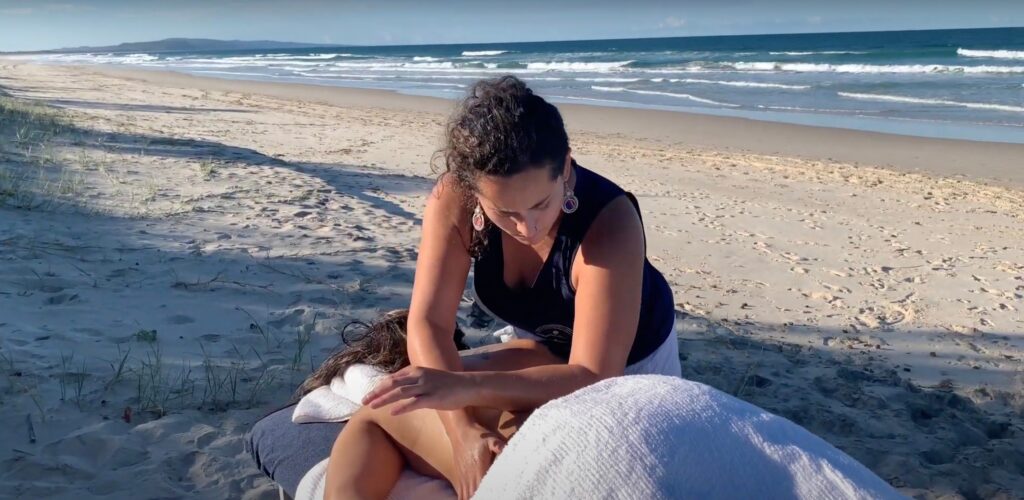
A first massage starts with intake about what brought you in. You undress to your comfort level in private and stay draped throughout. Communication shapes the work; nothing happens without permission. Expect a calm, professional environment, arrival through after-care.
If you've never had a professional massage before (or it's been long enough that you've forgotten the routine), it's normal to feel a little uncertain about what to expect. First massage questions usually cluster around the same things: how much do I undress, what if it hurts, how do I communicate, what happens at a massage afterward. This piece walks through the actual sequence of a first time massage from arrival to leaving, so you arrive knowing what to expect and can focus on the session itself rather than the logistics. The "what to expect first massage" question deserves a concrete answer rather than a vague reassurance. I'm Lorena, a Sunshine Coast remedial and Kahuna therapist; the description below reflects how I run a first session in practice.
The session, step by step.
A first appointment typically runs about 60 to 75 minutes total, including a short consultation and getting onto the table. Here's the chronological flow.
Arrival and settling in
Arrive five to ten minutes before your scheduled time. The space is quiet and private; nothing to figure out. For mobile bookings to your home, I arrive at the agreed time and set up the table in whatever space you've chosen. Either way, the first few minutes are about settling rather than starting.
Intake conversation
About 5 to 10 minutes before any hands-on work. We talk through what brought you in, what's flared or persistent, what you've tried, any relevant medical history, anything to avoid. For new clients there's a brief health questionnaire (allergies, conditions, medications, recent surgery). The intake shapes everything that follows; the more honest you can be, the better the session lands.
Privacy and undressing
I step out of the room while you undress and get under the sheet. Standard guidance is to undress to your comfort level: most patients are in underwear, some stay in athletic shorts and sports bra, some undress fully. None of it is required either way. The work adapts to what you've chosen rather than the other way around.
When you're settled on the table under the top sheet, you let me know and I come back in.
The session itself
You're draped with sheets throughout. Only the area being actively worked is uncovered, and it gets re-covered before moving to the next region. Positioning is usually face-down for back and posterior work, face-up for front of body, with side-lying as an option if either of those doesn't suit. The hands-on work targets what the intake identified; for a first session, the pressure stays moderate while we calibrate to your body.
Communication during
Saying "lighter please" or "that's too much" is normal and expected. Some patients prefer silent sessions; others like to chat. Both are fine. What matters: if anything is uncomfortable in the wrong way (genuinely painful rather than productively tender), say so straight away so the pressure or technique changes. I'll usually check in once or twice during the session to confirm the pressure suits.
Closing and after-care
I step out again while you dress. We have a short chat about what came up, any post-session care (hydration, light activity, when to expect any soreness to settle), and whether a follow-up makes sense. For most first sessions, drinking a glass or two of water afterward and taking a quiet evening is the standard recommendation. The longer-term benefit usually develops over the following days.
"The session is yours and you set the pace. Saying 'lighter please' or 'that's too much' is normal and expected."
Why the setup matters.
The detail above isn't about ceremony; it's about consent and comfort. A good first time massage runs on the principle that nothing happens without your active agreement. The intake establishes what you're agreeing to, the draping protects modesty without making it awkward, and the communication during the session means you stay in control of the pace and intensity.
This matters particularly for anyone who's had a previous experience that didn't go well, or who feels nervous about the physical contact involved. The structure is designed so that the patient stays in the driver's seat throughout. The therapist's job is to deliver skilled work within the agreement, not to push past what suits you.
It also matters because the session works better when you can drop into it rather than holding tense. If part of you is wondering whether the next move is appropriate, the nervous system stays guarded and the parasympathetic shift that's part of the therapeutic effect doesn't fully happen. Clear structure and clear communication free you up to actually receive the work.
First massage tips.
Practical things that help
- Eat something light an hour or two before; not on an empty stomach, not full
- Hydrate normally beforehand; no need to over-drink, just be reasonably hydrated
- Skip the gym before the session if you can; come in unrushed rather than freshly worked out
- Wear easy clothes for the trip home; sometimes you'll feel a bit dreamy afterward and tight or fussy clothing is harder than usual
- Mention anything relevant in the intake, even if it feels minor; recent injuries, sensitive areas, medications, anxiety about specific touch zones
- Allow a quiet hour or two afterward if possible; the body uses that time to settle in
Some people find it helpful to bring a list of questions to the first appointment, particularly if there's a specific complaint you want to discuss. Others prefer to come in cold and let the session unfold from the intake conversation. Either approach works.
When to book the first session.
Practical scenarios for booking a first appointment:
- A specific complaint that's been going on for a few weeks. Lower back tightness, recurring headaches, locked shoulder, persistent neck stiffness. The first session establishes whether massage helps the pattern.
- After a recent stressful stretch. Major project, family event, sleep depletion, prolonged caregiving. The whole-body restoration suits well for this.
- Returning to massage after a long break. Even if you've had massage before, a substantial gap means treating it like a first session for intake purposes. The body has changed; the intake reflects that.
- Curiosity about Kahuna bodywork specifically. If you've read about Kahuna massage and want to experience the flowing forearm-led style, a 90-minute first session is a good starting point.
For background on the practice and credentials, see the about page. For modality detail: remedial massage for targeted complaints, Kahuna massage for broader restoration.
Common questions.
Do I have to undress fully for a massage?
No. Standard guidance is to undress to the level you're comfortable with, and the work adapts. Most patients undress to underwear, which gives reasonable access for remedial work. Some stay in athletic shorts and sports bra; some undress fully under the sheet. Draping covers everything not being worked, so what you're wearing matters less than it might seem. Anything that doesn't suit can be worked around, including keeping more clothes on.
What if I feel pain during the session?
Tell the therapist immediately. Remedial work can produce productive discomfort on a tight area ("good pain"), but actual pain that makes you tense up isn't useful and the pressure should change. Communication is part of the work; the therapist can't know how something feels unless you say. Saying "lighter please" or "that's too much" is normal and expected; no awkwardness about it.
How will I feel afterward?
Most people feel a mix of looser, slightly tired, and notably calmer right after the session. A short period of mild post-treatment soreness (similar to a gentle workout) is normal for the first 24 to 48 hours, particularly when working on chronic tension. Drink some water, take it easy that evening if possible. The longer-term benefit usually settles over the following days as the worked area starts moving more freely.
Book your first session.
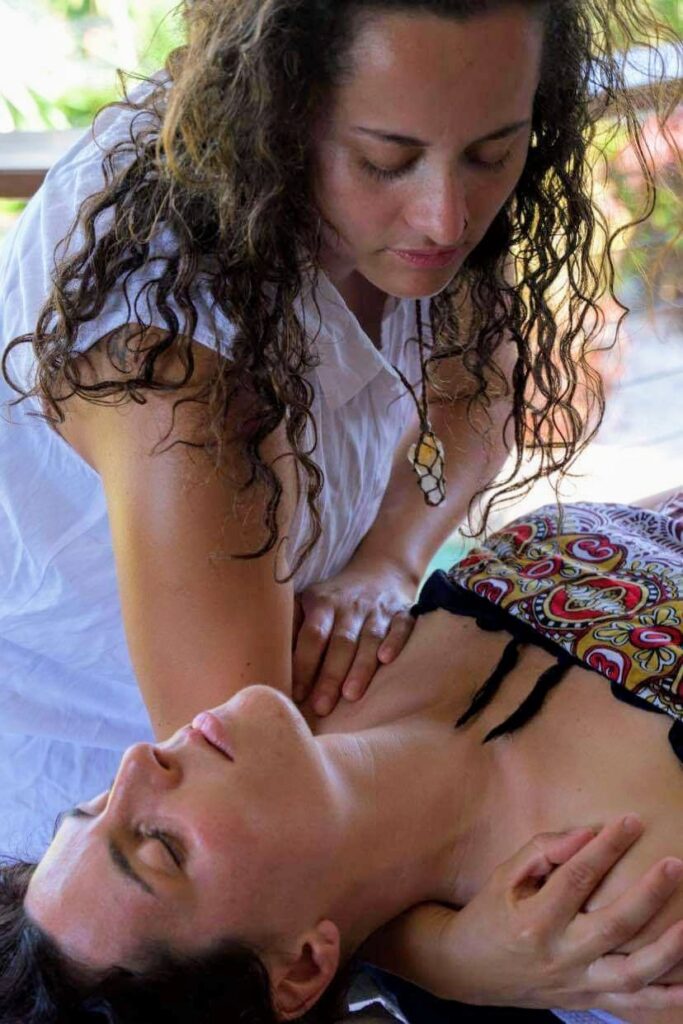
A calm, professional environment from arrival through after-care. Sunshine Coast clinic at Valdora or mobile to your home. ANTA-registered with Diploma of Remedial Massage.