Massage for back pain: what works.
Massage for back pain: what works.
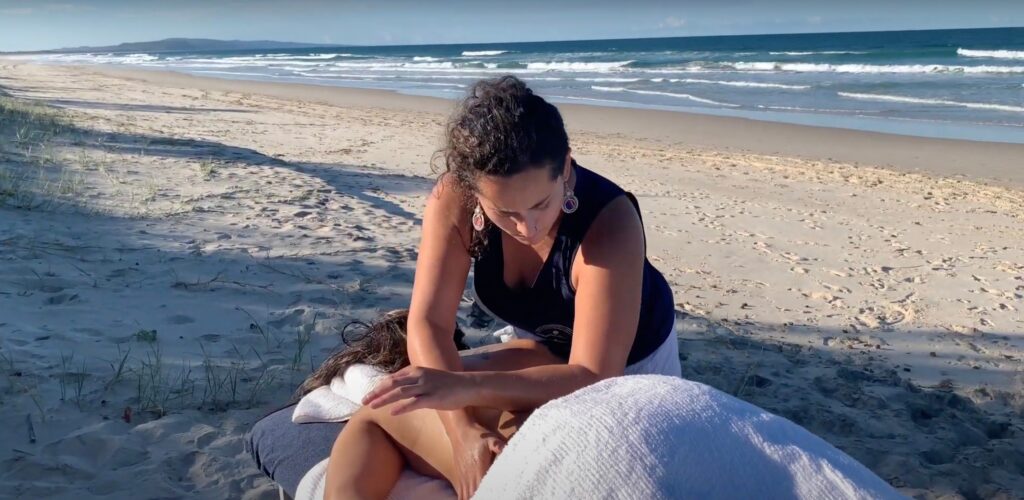
Massage helps non-specific muscular back pain, particularly chronic low back pain. Evidence supports short-term pain reduction and improved function. A course of weekly to fortnightly sessions across four to six weeks usually delivers more than single sessions for entrenched patterns.
Back pain is one of the most common reasons people walk into a remedial massage clinic, and the question that follows is almost always the same: does massage help back pain, and if so, what works best? The honest answer depends on what kind of back pain you have. Most "back pain" is a category that covers very different problems, and matching the approach to the actual pattern matters more than picking the right modality in the abstract. This piece sorts through what the evidence supports, what it doesn't, and how to think about the choice. For the clinical-detail companion, see our back pain condition page.
What the evidence actually supports.
Back pain research is one of the larger evidence bases in musculoskeletal medicine, and the picture for massage is reasonably specific. Six well-supported effects:
Short-term pain reduction in chronic low back pain
The best-supported use. Multiple studies and reviews show meaningful short-term pain reduction in chronic non-specific low back pain. The effect typically lasts hours to a few weeks after a session; sustained benefit requires consistent treatment.
Functional improvement
Beyond just pain, function improves too. Range of motion, ease of movement during daily activities, ability to sit, lift, and walk without guarding all tend to improve after sessions targeted at the muscular contribution to the pain.
Reduced muscle hypertonicity
The lumbar erectors, quadratus lumborum, and glutes carry most of the muscular load in back pain. Massage reliably reduces the resting tone of these muscles, which directly reduces the compression and pulling forces on the lumbar spine.
Addressing the hip flexor contribution
Tight hip flexors (psoas, iliacus) pull the pelvis into anterior tilt and load the lower back. This is a frequently missed contributor to chronic low back pain; targeted work in this area often produces improvements that pure spinal work doesn't.
Parasympathetic shift, pain modulation
Chronic back pain often has a nervous-system overlay. The pain pathway can become sensitised so that even minor muscular irritation feels worse than it should. The parasympathetic shift during massage helps damp that sensitisation, particularly with consistent sessions.
Better outcomes when combined with movement
Massage alone is less effective than massage plus appropriate movement. The evidence consistently shows that combining manual therapy with exercise (walking, mobility, strength work) produces better long-term back-pain outcomes than either alone.
"Most 'back pain' is a category that covers very different problems. Matching the approach to the actual pattern matters more than picking the right modality."
Choosing the right approach.
How often massage for back pain works comes back to matching the rhythm to the kind of back pain you have. Three broad categories:
Chronic non-specific low back pain (more than three months, no clear structural cause). This is where massage delivers the most. A course of four to six sessions across four to six weeks, paired with a movement programme, is the standard approach. Most patients with this pattern see meaningful improvement.
Acute back strain (under six weeks, recent onset). The evidence here is less clear. Most acute back pain resolves with gentle activity and time; some research suggests staying active is more useful than rest, manipulation, or intensive intervention. A single massage session early on can ease the muscular guarding, but for an uncomplicated acute strain, time and movement usually do most of the work.
Specific structural back pain (radiculopathy, sciatica with neurological symptoms, disc-related pain, spondylolisthesis). Massage plays a supporting role; the medical work-up matters more. A GP, physio, or specialist needs to be the lead on assessment and treatment plan. Massage may help the muscular compensation around the structural problem, but it's not addressing the cause.
What to do before booking.
Best massage for back pain: practical steps
- Identify what kind of back pain it is; chronic non-specific, acute strain, or potentially structural
- If anything looks like a red flag (see below), see your GP before booking massage
- For chronic non-specific low back pain: start with remedial massage, plan for four to six sessions across the first month, pair with movement work
- For acute strain: give it a couple of weeks of gentle activity first; book if it isn't easing or you want help getting moving
- For anything radiating, neurological, or post-trauma: GP first, then massage as part of the wider plan if appropriate
- Communicate during the session; pressure needs to suit the area, not push past it
When to see a doctor before massage
- Pain radiating down the leg below the knee, particularly with numbness, tingling, or weakness
- Loss of bladder or bowel control, or numbness around the saddle area (rare but urgent)
- Significant unexplained weight loss alongside back pain
- Fever or feeling systemically unwell with the back pain
- Recent significant trauma (fall, motor vehicle accident) producing the pain
- Night pain that wakes you regardless of position
- Pain that's progressively worsening over weeks despite rest
Any of these need GP review first. Massage can have a role once the medical picture is clear, but it isn't the first stop.
When to book a session.
Practical timing for booking massage for back pain that works:
- Chronic low back pain that's been going on for months. Start a four-to-six session course; weekly or fortnightly. Pair with whatever movement work suits your situation.
- An acute strain that's been hanging around two to three weeks. If gentle activity hasn't resolved it, a session or two can ease the muscular guarding and help you get moving again.
- A flare in someone with a known chronic pattern. Tighter spacing during the flare, then return to maintenance rhythm.
- A recurring pattern after long sitting, driving, or repetitive load. Maintenance massage often holds these patterns better than waiting for the next flare.
For deeper clinical detail on back pain specifically, see the back pain condition page. For the modalities themselves: remedial massage for the targeted work, Kahuna massage for the broader nervous-system restoration. For the practice background, the about page.
Common questions.
Does massage help back pain?
Yes, for non-specific muscular back pain, with reasonable evidence. The best-supported use is chronic low back pain, where massage delivers short-term pain reduction and functional improvement, particularly when combined with movement. For acute strain, evidence is less clear; most acute episodes resolve with gentle activity. For specific structural back pain (radiculopathy, disc, spondylolisthesis), massage plays a supporting role at most; the medical work-up matters more.
How often should I get massage for back pain?
For an active flare or chronic pattern: weekly to fortnightly across four to six weeks usually does the meaningful work, then spacing widens to monthly maintenance. After four to six sessions, you'll have a clear sense of whether the approach is helping. If nothing has shifted, that's a signal to review with your GP or add movement-based intervention (physio, exercise physiologist) rather than continuing more massage.
What's the best massage for back pain?
Remedial massage is generally the right starting point. The work targets specific muscle groups (lumbar erectors, quadratus lumborum, glutes, hip flexors) that load the lower back, plus the fascial layer that holds the postural pattern. Kahuna bodywork suits when back pain sits alongside broader nervous-system depletion; the whole-body approach helps the underlying state. Often clients alternate between the two depending on what's flaring.
Book a back pain session.
Targeted remedial work for the muscular contribution to back pain. Sunshine Coast clinic at Valdora or mobile to your home. ANTA-registered with Diploma of Remedial Massage.