Best massage for stress relief.

Best massage for stress relief.
For pure relaxation, Swedish is the classic choice; for deeper nervous-system reset, Kahuna bodywork tends to be most effective. Hot stone and aromatherapy suit if heat or sensory elements appeal. Remedial is less suited to stress as a primary goal.
The best massage for stress relief depends on what kind of stress you're managing and what kind of experience you want from the session. Different modalities work through different mechanisms; the right stress relief massage type for a patient running on chronic burnout often isn't the same as the right one for someone wanting an occasional restorative session after a hard week. This piece compares the four modalities most useful for stress: Swedish (the established relaxation choice), Kahuna bodywork (the deepest nervous-system shift), hot stone (heat-based relaxation), and aromatherapy (sensory-led light work). I'm Lorena, a Sunshine Coast remedial and Kahuna therapist; this is how I'd help a patient choose at the intake conversation.
Four modalities compared.
Each modality below is genuinely useful for stress; none is universally better. The choice is about matching the modality to what you actually want from the session.
Swedish (relaxation) massage
The established relaxation modality, full-body, light to moderate pressure, long flowing strokes. Effleurage, petrissage, and gentle kneading dominate; nothing deep or pointed. Swedish is the most relaxing massage for first-time massage patients, those wanting occasional unwinding, and anyone who finds deeper work too intense to actually relax into. It does what it says: relaxes you. Doesn't deliver the same nervous-system depth as Kahuna for sustained stress, but for most occasional stress-relief situations it's the right call.
Kahuna bodywork
The deepest parasympathetic shift of the four modalities. Continuous flowing forearm strokes, full-body without separating parts into segments, breath-coordinated rhythm. Patients commonly describe Kahuna as the most settling experience they've had on a massage table; the nervous-system effect is the primary therapeutic mechanism rather than a side benefit. Suits sustained stress, burnout, anxiety, and recovery from prolonged demanding periods. My own specialty, trained through Mette's Institute Levels 1 to 3.
Hot stone massage
Heated basalt stones placed on key muscle groups and used as massage tools. The passive heat penetrates more deeply than hand-warmth alone, easing muscular tension while the strokes themselves are light. Hot stone suits patients who find heat particularly comforting, those with cold-sensitivity issues, and anyone whose stress lives partly in chronic muscle tension that responds well to warmth. Not as nervous-system-deep as Kahuna; warmer and more sensory than Swedish.
Aromatherapy massage
Light-pressure massage combined with selected essential oils. The therapeutic mechanism is partly olfactory (specific oils have measurable calming effects, lavender being the most-studied) and partly the gentleness of the bodywork itself. Aromatherapy suits patients who respond well to sensory elements, those with mild anxiety, and anyone who finds smells particularly grounding. Often combined with Swedish strokes; rarely as deep as remedial or Kahuna.
"The right modality matches your stress, not just your preference. Acute and chronic stress respond to different approaches."
Why the modality matters.
Stress isn't one thing; it has a few distinct patterns and each responds best to a different kind of bodywork.
Acute stress (a hard week, a difficult event, a flare of work demands) responds well to Swedish or aromatherapy: light, pleasant, immediately calming work that resets the moment. The bar isn't high; the body wants permission to slow down and any of the gentler modalities provides that.
Chronic stress and burnout are different. The nervous system has been running sympathetic for so long that surface-level relaxation doesn't reach it; the body forgets how to drop into parasympathetic at all. Kahuna's continuous flowing approach is built for this pattern. The session essentially trains the nervous system to remember the parasympathetic state, and the effects compound across sessions in a way that one-off Swedish sessions don't quite replicate.
Anxiety-pattern stress (with significant tension in the neck, jaw, shoulders, breathing patterns) often does well with a combination: Kahuna for the systemic reset, occasional remedial sessions for the specific muscular patterns the anxiety has produced. Massage for anxiety isn't a replacement for clinical care but it's a useful supporting layer.
Side-by-side at a glance.
Quick reference
- If you've never had a massage: start with Swedish; it's the most accessible introduction
- If you're running on chronic stress or burnout: Kahuna is the recommended approach
- If heat is what helps you settle: hot stone
- If specific scents calm you: aromatherapy, often combined with Swedish technique
- Mix across the year: there's no rule against trying different modalities; pay attention to which one your body responds to most
Booking for stress relief.
A practical sequence for using massage as part of stress management:
- Reset phase: if you're starting from burnout or a hard period, weekly sessions for three or four weeks (Kahuna or Swedish depending on preference) help the nervous system remember what settled feels like.
- Maintenance rhythm: monthly is the standard rhythm for most patients; fortnightly during particularly demanding stretches.
- Mix modalities: alternating between Kahuna for deeper reset and Swedish for occasional unwinding works well for patients who want both depth and accessibility.
- Notice what changes: track sleep quality, daytime stress reactivity, irritability, jaw tension over a few weeks of regular sessions. The data tells you whether the rhythm suits.
For my own service specifics: Kahuna massage is the deeper option for sustained stress; remedial massage handles the muscular layer when stress has produced tension patterns. Practice background at about; bookings at book online.
Common questions.
Is Swedish massage or Kahuna better for stress?
Both work; the choice depends on the kind of stress you're managing. Swedish massage is the established relaxation modality, lighter and easier to receive, well-suited for occasional unwinding or first-time patients. Kahuna bodywork tends to produce a deeper nervous-system shift through its flowing whole-body approach and breath-coordinated rhythm; it suits patients carrying sustained stress where surface relaxation isn't enough. For acute stress Swedish often does the job; for systemic chronic stress, Kahuna usually goes further.
Can massage help with anxiety?
Massage shifts the autonomic nervous system toward parasympathetic activity, and most patients report reduced anxiety symptoms during and after sessions. Massage isn't treatment for clinical anxiety disorders; it's a complementary support alongside whatever medical, psychological, or lifestyle approaches you're using. For patients with significant anxiety, gentler modalities (Swedish, Kahuna) typically suit better than deep remedial work. Discuss any clinical anxiety with your GP and treating practitioners; massage adds support, doesn't substitute for care.
How often should I get a stress relief massage?
For stress management as a primary goal, monthly works as a baseline; fortnightly during particularly demanding periods. The nervous-system benefits compound across sessions, so a regular rhythm outperforms occasional ad-hoc sessions. For burnout or chronic stress patterns, a more intensive opening phase (weekly for three or four sessions) before moving to fortnightly or monthly maintenance tends to deliver the most useful reset. Listen to your body and notice what spacing keeps you in a settled state.
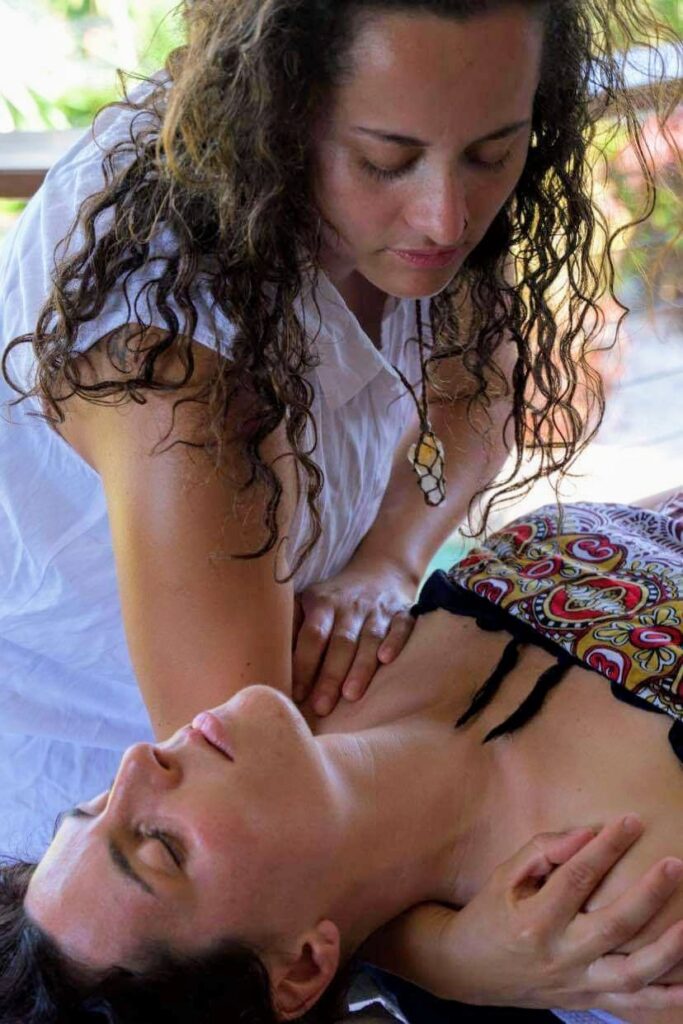
Book a Kahuna session.
The deepest parasympathetic shift of the modalities I offer, trained through Mette's Institute Levels 1 to 3. Sunshine Coast clinic at Valdora or mobile to your home.