Massage aftercare: what to do (and avoid).
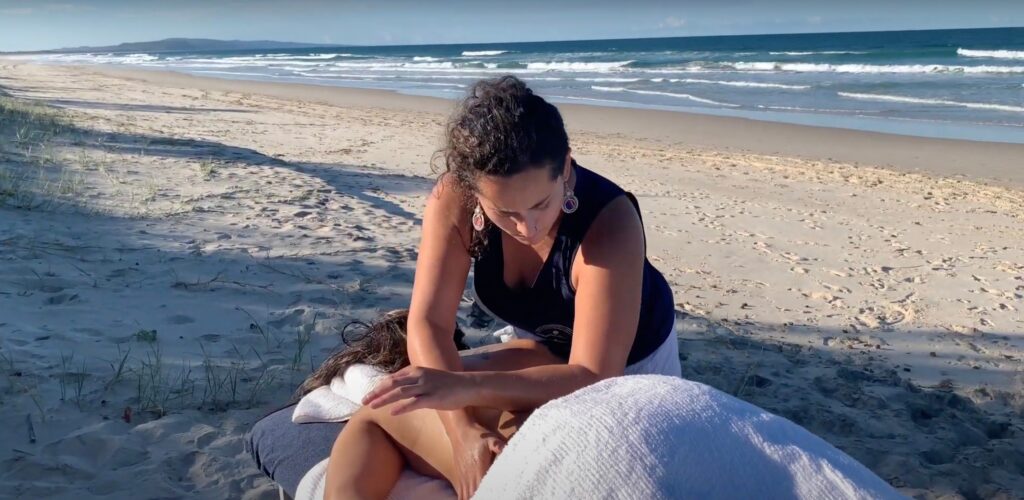
Massage aftercare: what to do (and avoid).
Drink water, take it easy for the day, expect mild soreness for 24 to 48 hours, avoid heavy exercise or alcohol. If symptoms worsen or new pain appears, contact your therapist. Aftercare is simple; let the body settle in.
Massage aftercare isn't complicated, but the small habits in the first 24 hours after a session affect how well the work lands. This piece walks through what to do after massage in the immediate hours and days following, what to avoid, what's normal versus what's worth flagging, and how to think about the timeline so the session delivers what it's designed to. I'm Lorena, a Sunshine Coast remedial and Kahuna therapist; the guidance below is what I'd send a patient home with verbally, expanded a bit for reference later.
What's happening after the session.
Three things tend to be in play in the hours and days after a remedial session, and the practical aftercare advice maps onto each.
The muscles have been worked
Deeper remedial work, particularly on areas holding chronic tension, creates a mild form of post-treatment soreness similar to what follows a moderate workout. This is normal and usually clears within 24 to 48 hours. It's not damage; it reflects the muscular layer recalibrating. Light movement helps it settle faster than total stillness; hard training within 24 hours generally makes it feel worse before better.
The nervous system has shifted toward parasympathetic
Most patients leave a session in a notably calmer, sometimes slightly dreamy state. This parasympathetic shift is part of the therapeutic effect, and the body uses the following hours to settle into that state more deeply. Pushing back into high-stimulation activity (busy schedule, intense exercise, late nights) cuts that benefit short. A quiet evening lets the shift consolidate.
Local circulation and fluid movement have increased
The pressure and movement during a session shift fluid through the worked tissue. Drinking water afterward isn't about flushing toxins (a wellness myth); it's about supporting the body's normal fluid balance after the increased mobilisation. A glass or two extra in the post-session hours is the right amount, not litres. The "should I shower after massage" question gets a separate answer below in the FAQ, but the short version: yes, after a few hours, and avoid hot water until the body has cooled.
"Aftercare isn't complicated, but the small habits in the first 24 hours affect how well the work lands."
Why aftercare matters.
The session does part of the work; what happens after does the rest. A well-executed remedial session can be partly undone by a poorly-handled following 24 hours, and a moderate session can deliver more than expected when the aftercare suits the work. The body responds to what's around the session, not just to what's in the session.
Practical aftercare also reduces the small things that can become bigger ones. Skipping water doesn't ruin the session, but it can make the first 24 hours feel more dehydrated than it needed to. Hard training within hours doesn't undo the therapy, but it tends to produce muscle soreness disproportionate to the workout itself. Hot baths immediately after can leave you wobbly for the evening. None of these are catastrophic; all of them are easy to avoid.
For longer-term value, the massage after-care tips that matter most are the ones that build the right rhythm: regular movement between sessions, hydration as standard, sleep, and noticing what your body is signalling. A session every few weeks does very little if the days between are full of patterns that recreate the original complaint.
The aftercare timeline.
Settle and let it land
Drink a glass or two of water in the hours after the session. Take it easy for the rest of the day. Skip heavy training, hot baths or saunas, alcohol, and big nights out. Light walking is fine and often helpful. Most patients sleep particularly well this first night; lean into that.
Some soreness is normal
Mild post-treatment soreness similar to a gentle workout is expected, particularly if the session worked on chronic patterns. This usually peaks around 24 hours and clears by 48. Light movement (walking, gentle stretching, easy yoga) helps it pass faster than sitting still does. Normal training can usually resume by the next morning.
Notice what's shifted
The longer-term benefit of the session usually becomes most apparent in days three to seven. Areas that were tight feel looser; sleep often improves; the body moves more freely. Pay attention to what's actually changed; this informs whether and when to book the next session.
- Drink an extra glass or two of water in the post-session hours
- Take a quiet evening if possible; the parasympathetic shift settles in
- Move gently: walking, easy stretching, light yoga the next day
- Notice changes over the following days; track what's different
- Sleep when you feel like sleeping; often the first night is particularly deep
- Mention significant or persistent post-session effects at your next appointment
- Heavy training or intense cardio within 24 hours; wait until the next morning at least
- Hot baths, saunas, hot tubs straight after; the body is already warmed and dilated
- Alcohol the evening of; dehydrating and undoes the settling effect
- Busy schedules and high-stimulation activity if your schedule allows easing
- Self-massage on the worked areas for the first 24 hours; let the tissue settle
- Skipping the next session if it's part of a treatment course; the work compounds across sessions
When something isn't normal
- Soreness lasting beyond five days or worsening rather than improving across the first two
- Significant swelling, bruising, or sharp pain in an area that was worked
- Fever or feeling systemically unwell in the days after a session
- Neurological symptoms: persistent tingling, numbness, weakness in a limb
- New pain in a different area that wasn't there before the session
- Any concern that doesn't feel like normal post-treatment recalibration; if in doubt, ask
When to book the next session.
The timing for the next booking depends on the goal of the work:
- Active flare or chronic pattern course: next session in one to two weeks while the close-spaced effect compounds. Plan for four to six sessions across the first month or so.
- Maintenance pattern: monthly is the standard rhythm; for some patients fortnightly during demanding periods, lighter spacing during quiet stretches.
- One-off restoration session: re-book when the body's signals indicate it; some patients have a clear "I need a session" feel, others book on a calendar.
- After post-treatment soreness clears, you'll often have a clearer sense of what the session shifted; book the next based on that information rather than a rigid schedule.
Quick reference: massage after-care tips
- Water, quiet evening, light movement the next day; the post-session habits that matter most
- 24 to 48 hours of mild soreness is normal, particularly after deeper work
- Avoid hot soaking, heavy training, and alcohol in the first 24 hours
- Notice the shifts over the following week; useful information for the next session
- Contact your therapist or GP if anything is outside the normal post-treatment pattern
For the modality detail: remedial massage for targeted muscular work, Kahuna massage for whole-body restoration. Practice background at about; bookings at book online.
Common questions.
Should I shower after a massage?
Yes, but with no rush. A warm shower a few hours after the session is fine and often pleasant; oil residue is the main practical reason. Avoid hot baths, saunas, or hot tubs immediately after, as the body is already warmed and dilated and very hot exposure can leave you light-headed or fatigued. Cooler showers or normal body-temperature water suits the post-massage state better than hot.
How long does post-massage soreness last?
Typically 24 to 48 hours, similar to mild muscle soreness after a moderate workout. Deeper work on chronic patterns can produce slightly longer post-treatment tenderness, usually clearing within three days. The soreness is not damage; it reflects the muscular layer recalibrating. If soreness persists beyond five days, increases rather than decreases, or comes with new symptoms (significant swelling, sharp pain, fever, neurological signs), contact your therapist or GP.
Can I exercise after a massage?
Light movement is fine and often helpful (gentle walking, light stretching, easy yoga). Heavy training, high-intensity cardio, or competitive sport within the first 24 hours generally isn't the best idea: the muscles have just been worked, the nervous system has shifted toward parasympathetic, and pushing back into hard load too quickly tends to either undo the session's benefits or produce muscle soreness that feels worse than it should. Wait a day for hard training; the next morning is usually fine.
Book your next session.
Aftercare guidance with every session, and follow-up rhythm shaped around your body's response. Sunshine Coast clinic at Valdora or mobile to your home. ANTA-registered.