Massage for back pain.
Assessment-led remedial massage for muscular and postural back pain, with honest scope-of-practice about where massage helps and where it doesn't. ANTA-registered therapist, claimable through most extras cover.
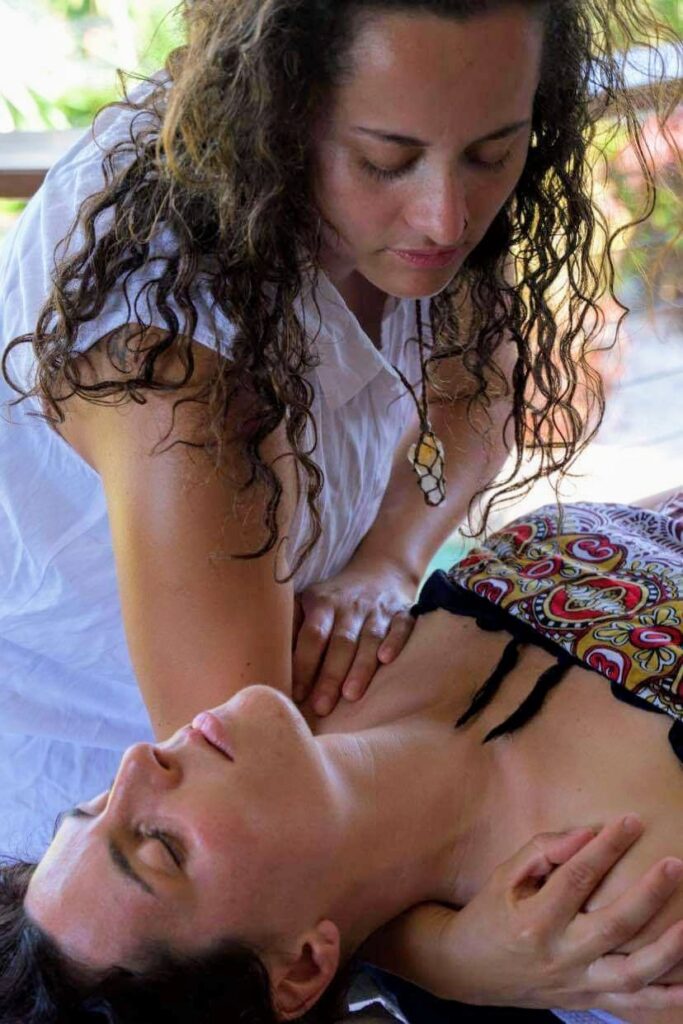
Massage for back pain, what works.
Remedial massage helps muscular and postural back pain: tight glutes, tense lumbar musculature, restricted thoracic mobility. It does not fix disc injuries, nerve compression, or fractures. For those, see a GP or physiotherapist first.
Common causes of back pain.
Most everyday back pain is muscular or postural, not structural. The four patterns below cover the bulk of the cases I see for massage for lower back pain in the clinic.
Postural strain
Long sitting hours, poor desk setup, screen-forward head position. The most common driver of mid- and lower-back muscle pain.
Acute muscle strain
Lifting wrong, sudden movement, gardening over the weekend. Usually short-lived but responds well to targeted soft-tissue work.
Chronic patterns
Years of compensating around an old injury, recurring lower-back episodes, or stiffness that has built up over decades of working life.
Active-life overload
Running, paddling, surfing, lifting weights. Recovery-related back tightness that doesn't settle with rest alone.
How massage helps back pain.
Most everyday back pain is a tissue-and-tension problem rather than a structural one. Remedial massage works on the soft-tissue and joint mobility layer directly: reducing the muscle tone in chronically tight areas, freeing up restricted movement through specific stretching, and resetting the local circulation in places that have been held tight for too long. When the muscular contribution to the pain pattern settles, the back often moves and feels meaningfully different within a session or two.
The work itself is targeted, not generic. Trigger-point release through the glutes and erector spinae, myofascial work across the thoracolumbar fascia, specific stretching for the quadratus lumborum and hip flexors, and joint-mobility work where appropriate. The aim is functional change in how the back moves and feels, not just the temporary effect of a relaxing session.
When to see a doctor first.
Massage is not the right starting point for every kind of back pain. The signs below mean a GP or physiotherapist needs to assess what's happening before any hands-on work begins.
See a GP or physio first if any of these apply
- Numbness, tingling, or weakness running down one or both legs (potential nerve compression)
- Loss of bladder or bowel control alongside back pain (urgent medical assessment)
- Severe pain at night that wakes you up or doesn't change with position
- Recent significant trauma (fall, accident) without prior medical clearance
- Fever, unexplained weight loss, or feeling generally unwell alongside the back pain
- A known diagnosis of disc injury, fracture, or osteoporosis without prior assessment
If any of these apply, don't book a massage as the first step. See a GP or qualified physiotherapist for assessment.
My approach to back pain.
A first appointment for back pain follows a three-stage structure. The aim is to understand what's happening before any treatment begins.
Intake and history
The first 5 to 10 minutes cover pain history, current patterns, what makes it better and worse, any diagnostic imaging or specialist input, and red flags. If anything raises a referral question, we discuss that before the table.
Hands-on assessment
Movement screening (range of motion, what feels restricted) and tissue palpation through the back, glutes, and hips. The findings shape the session plan rather than a generic routine being applied.
Targeted treatment
Specific work based on findings: trigger-point release, myofascial techniques, joint mobility, stretching. Pressure stays in the productive range. Self-care guidance closes the session so you know what to do between visits.
Who I am, and what I'm not.
I'm Lorena, a remedial massage therapist on the Sunshine Coast. Diploma of Remedial Massage (HLT52015) and ANTA-registered, with additional training through Mette's Institute Kahuna Levels 1, 2, and 3. My remit is the soft-tissue and movement-related component of back pain. I'm not a physiotherapist, chiropractor, or doctor, and back pain that needs diagnostic imaging, neurological assessment, or prescription medication is outside my scope.
What this means in practice: if your back pain is musculoskeletal and responsive to soft-tissue work, you're in the right place. If it isn't, I'll say so plainly and recommend the right next step. Searching for back pain massage near me locally and looking for the best massage for lower back pain? The credential is the floor; what matters more is honest assessment about whether massage is the right tool for your case. For sports-related back pain specifically, my sports massage page covers the active-recovery angle in more detail, and sessions are claimable through extras with details on the health fund rebates page.
Diploma of Remedial Massage (HLT52015) · ANTA registered · Mette's Institute Kahuna L1-3
When I'll refer you onward.
If we've worked together for two to three sessions and the back pain isn't shifting in the way muscular pain should, that's a signal worth taking seriously. The likely picture in those cases is that something other than soft-tissue tension is driving the pain. I'll tell you directly and recommend a referral to a physiotherapist or GP for further assessment. Continuing massage indefinitely when it isn't working serves nobody, and being honest about the limits of the modality is part of doing the work well.
This applies in reverse too. If you're already under the care of a physio, osteopath, chiropractor, or specialist, massage can sit alongside that care as soft-tissue support. Letting me know what the wider treatment plan looks like helps shape the session to fit rather than work against it.
Session pricing.
Clinic at Valdora or mobile across the Sunshine Coast. Most back-pain sessions sit at 60 or 75 minutes; longer sessions suit cases needing wider coverage. Claimable through most extras cover.
Mobile prices include travel surcharge by zone ($10 to $30 depending on suburb). Full pricing page.
Back pain massage FAQ.
How many massage sessions will I need for back pain?
For acute muscular back pain, two to three weekly sessions typically settle most of the picture. For longer-standing chronic issues, an initial weekly cadence for two to three sessions followed by fortnightly then monthly is the common rhythm. The first session includes a proper assessment, and the plan is set from those findings.
Is massage safe for chronic back pain?
For chronic muscular and postural back pain, generally yes and often effective. For chronic back pain caused by disc issues, nerve compression, or structural changes, massage may be a useful adjunct alongside other care but shouldn't be the only treatment. If you have a specific diagnosis, mention it at booking.
Should I use heat or massage for back pain?
Both can help, working differently. Heat increases blood flow and softens superficial tissue, suiting stiff or chronic-pattern pain between sessions. Remedial massage addresses tissue and joint behaviour directly, suiting targeted hands-on work. Many patients use both: heat as ongoing self-management, massage for active treatment.
Book your session for back pain.
Assessment-led remedial massage on the Sunshine Coast. ANTA-registered, claimable through extras cover. Clinic at Valdora or mobile to your home.