Massage for shoulder pain.
Assessment-led remedial massage for shoulder tension and rotator cuff issues, with honest scope-of-practice on where massage helps and where physiotherapy needs to lead. ANTA-registered therapist, claimable through most extras cover.
Massage for shoulder pain, what works.
Remedial massage helps general shoulder tension and supports rotator cuff tendinopathy, sits as adjunct care for frozen shoulder, and is not a first-line treatment for acute tears. The starting question is always which shoulder pain you're dealing with.
Frozen shoulder vs rotator cuff vs general tension.
The shoulder pain massage caseload covers three meaningfully different conditions. Knowing which one you're dealing with shapes whether massage is the right first step or the right adjunct.
Frozen shoulder
Adhesive capsulitis
Rotator cuff
Tendinopathy or strain
General tension
Postural and tradie load
How massage helps.
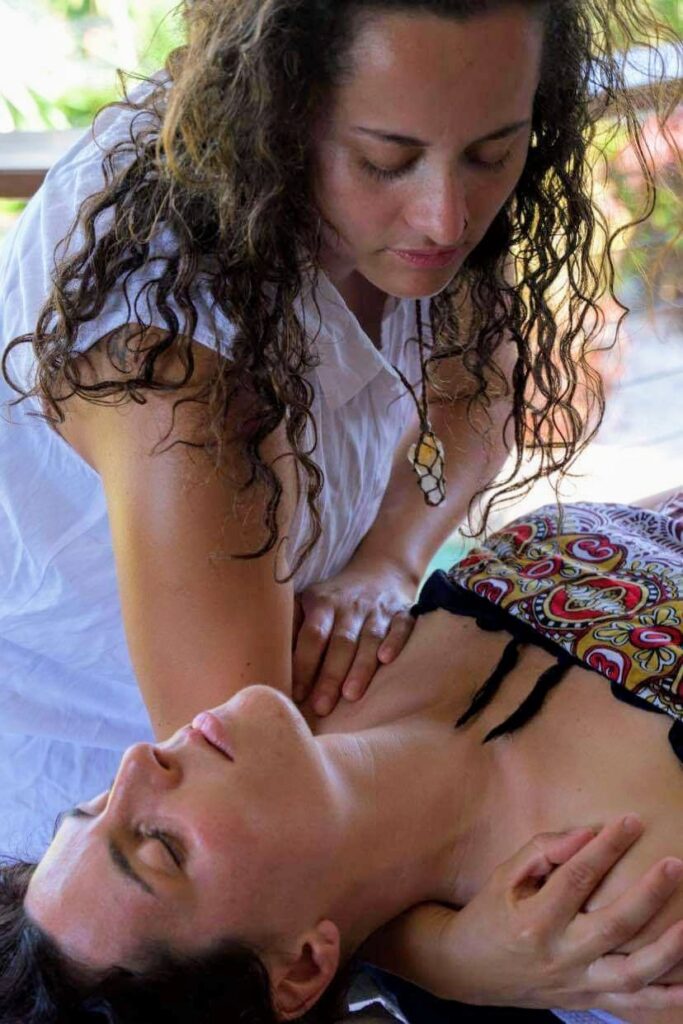
For general shoulder tension and rotator cuff tendinopathy, remedial massage works directly on the soft-tissue layer that's contributing to the pain. Trigger-point release through the upper trapezius, levator scapulae, and rhomboids; targeted work through the rotator cuff itself (supraspinatus where it tucks under the acromion, infraspinatus across the back of the shoulder blade, subscapularis in the armpit); fascial work across the chest where rounded-shoulder posture creates tightness in the pec minor; and joint mobility work for the glenohumeral and scapulothoracic motion.
The work is sequenced based on the assessment, not run as a generic routine. For tradies whose shoulders have absorbed years of overhead work, the pattern usually involves dense upper-trap tension, restricted scap motion, and tight pecs. For desk-driven cases, the same pattern with less specific load but more postural set. Either way the rotator cuff massage component is one piece of a larger pattern; addressing only the cuff misses the contributing tissues. Sports massage covers more on overhead-load and recovery-pattern work.
Recovery timeline.
The shape of recovery depends on which condition. The stages below give realistic expectations for the most common scenarios.
Active flare-up
Weeks 1 to 3
Weekly sessions for two to three appointments. Calm the irritated tissue, restore baseline movement.
Building back
Weeks 3 to 8
Stretch to fortnightly. Address the contributing pattern, build movement capacity, reduce compensations.
Hold the ground
Monthly ongoing
Monthly sessions for cases with ongoing load (tradies, postural patterns) or recurring tendency.
Long arc
9 to 18 months
Massage as adjunct alongside physio-led rehab. Helps compensatory tension across the whole arc of recovery.
When to see a doctor first.
Massage is not the right starting point for every kind of shoulder pain. The signs below mean a GP or physiotherapist needs to assess what's happening before any hands-on work begins.
See a GP or physio first if any of these apply
- Sudden inability to lift the arm after a fall, lift, or specific incident (possible rotator cuff tear)
- Numbness, tingling, or weakness running down the arm (potential nerve compression)
- Severe night pain that wakes you up regardless of sleeping position
- Recent significant trauma (fall, dislocation, sports impact) without prior medical clearance
- Visible deformity, swelling, or bruising around the shoulder joint
- Fever or systemic illness alongside the shoulder pain
If any of these apply, don't book a massage as the first step. See a GP or qualified physiotherapist for assessment.
My approach, and what I'm not.
I'm Lorena, a remedial massage therapist on the Sunshine Coast. Diploma of Remedial Massage (HLT52015) and ANTA-registered, with additional training through Mette's Institute Kahuna Levels 1, 2, and 3. A first appointment for shoulder pain starts with intake and history, moves to a hands-on assessment of shoulder mobility (active and passive range, specific movement tests where relevant), and runs targeted treatment based on what the assessment finds. Self-care guidance closes the session so the work between visits continues.
My remit is the soft-tissue and movement-related component of shoulder pain. I'm not a physiotherapist, chiropractor, or doctor, and shoulder pain that needs diagnostic imaging, injection therapy, or surgical assessment is outside my scope. For frozen shoulder cases especially, I work as part of a team rather than as the lead provider. Looking for the best shoulder pain massage locally? The credential is the floor; what matters more is honest assessment about whether massage is the right tool, and whether it's the right tool right now.
Diploma of Remedial Massage (HLT52015) · ANTA registered · Mette's Institute Kahuna L1-3
When I'll refer you onward.
If we've worked together for two to three sessions and the shoulder isn't shifting, that's a signal worth taking seriously. The likely picture is that something other than soft-tissue tension is driving the pain, or that what looked like manageable rotator cuff irritation needs more intensive rehab than massage alone can provide. I'll tell you directly and recommend a referral to a physiotherapist for further assessment. Continuing massage indefinitely when it isn't working serves nobody. Claimable through most extras cover when sessions are remedial; details on the health fund rebates page.
This applies in reverse too. If you're already under the care of a physio, surgeon, or specialist, massage can sit alongside that care as soft-tissue support. Letting me know what the wider treatment plan looks like helps shape the session to fit rather than work against it.
Session pricing.
Clinic at Valdora or mobile across the Sunshine Coast. Most shoulder-pain sessions sit at 60 or 75 minutes; 90 if neck and upper back need wider coverage. Claimable through most extras cover.
Mobile prices include travel surcharge by zone ($10 to $30 depending on suburb). Full pricing page.
Shoulder pain massage FAQ.
Can massage help frozen shoulder?
As adjunct care, yes; as primary treatment, no. Frozen shoulder is a slow inflammatory process in the joint capsule, and what changes it is graded movement and time, usually physio-led. What massage does well is reduce the compensatory tension that builds in the upper traps, neck, and shoulder girdle while the joint is restricted. Frozen shoulder massage is genuinely useful, just not as the only treatment.
What's the difference between rotator cuff injury and shoulder tension?
Rotator cuff issues present with pain on specific movements (overhead, reaching behind), weakness in particular directions, and often night pain on the affected side. General tension presents as more diffuse aching across upper traps and the top of the shoulder, without specific weakness. Rotator cuff cases need careful assessment; tension cases respond well to remedial massage directly.
How many sessions for rotator cuff issues?
For tendinopathy and minor strain, two to three weekly sessions can settle the muscular component, with monthly maintenance afterwards. For more significant cases (partial tears, persistent pain), massage works best as adjunct support alongside physiotherapist-led rehab. Without meaningful improvement after two to three sessions, that's a signal to escalate to physio.
Book your session for shoulder pain.
Assessment-led remedial massage on the Sunshine Coast. ANTA-registered, claimable through extras cover. Clinic at Valdora or mobile to your home.