Massage for headaches & migraines.
Assessment-led remedial massage for tension headaches, with honest scope-of-practice on where evidence is solid (tension headache) and where it's mixed (migraine). ANTA-registered therapist, claimable through most extras cover.
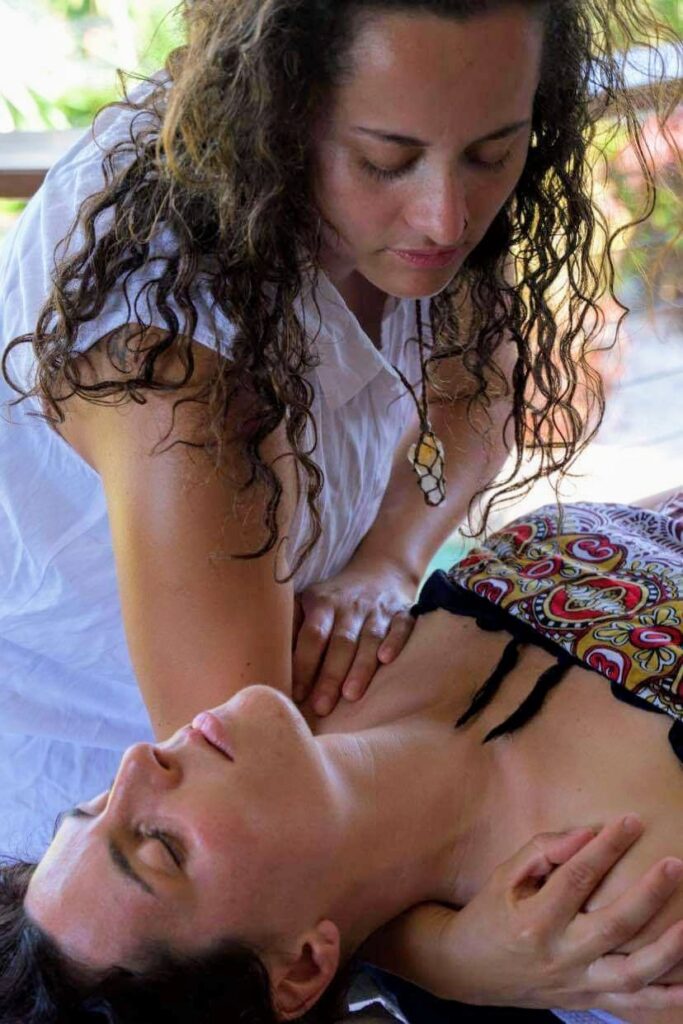
Massage for headaches, what works.
Remedial massage helps tension-type headaches directly by releasing the upper-back and neck musculature that refers pain to the head. For migraines, evidence is mixed; massage sits as adjunct support alongside medical management, not a primary treatment.
Tension headaches vs migraines.
The two are clinically different, and the role of massage for headaches differs accordingly. Knowing which one you're dealing with shapes both the treatment and the realistic expectations.
Tension headache
Tension-type, the most common
Migraine
A different neurological process
How massage helps each type.
For tension-type headaches, the path is direct: the muscles of the neck, upper back, and base of the skull refer pain into the head when they hold sustained tension. Releasing the upper trapezius, levator scapulae, suboccipital muscles, and sternocleidomastoid removes the muscular contribution to the headache pattern. Most patients with chronic tension-type headaches notice a meaningful change within two to four sessions, with continued improvement as the contributing posture and stress patterns are addressed alongside.
For migraines, the role is different and the framing matters. Massage doesn't change the neurological process that produces a migraine, but it can address the muscular tension that often builds around an episode: the neck stiffening days before, the upper-back load that comes from holding the head against pain, the jaw clenching that some migraineurs develop. Some patients find that managing this muscular component reduces migraine frequency or intensity; others find it doesn't. The honest answer is that the evidence is mixed and the response is individual. Massage for migraine works best understood as supportive care, not as treatment of the migraine itself.
Trigger points and headaches.
Specific muscles produce specific head-pain patterns when they hold dense trigger points. The map below shows the most clinically relevant five.
Upper trapezius
Refers up the back of the neck and around to the temple. Common in desk-driven and stress-loaded patterns.
Suboccipital group
Refers across the back and side of the head. The classic "base-of-skull headache" pattern.
Sternocleidomastoid (SCM)
Refers behind and around the eye, into the cheek and forehead. Often mistaken for a sinus issue.
Temporalis
Refers across the temple and into the upper teeth. Common alongside jaw-clenching and TMJ patterns.
Splenius capitis
Refers to the top and crown of the head. Less famous than the upper trap but a common contributor.
How often to book.
The right cadence depends on the headache pattern. Three common profiles below; the actual schedule shapes around the assessment.
Active episode
Acute tension headache episode. Weekly for two to three sessions to settle the muscular contribution, then taper.
Recurring tension
Chronic tension-type pattern with months or years of history. Initial cadence stretches as the pattern settles. Most patients hold gains with monthly maintenance.
Migraine support
Migraine cases use massage as adjunct support. Monthly maintenance, with extra sessions around recognised build-up periods if the pattern is predictable.
My approach, and what I'm not.
I'm Lorena, a remedial massage therapist on the Sunshine Coast. Diploma of Remedial Massage (HLT52015) and ANTA-registered, with additional training through Mette's Institute Kahuna Levels 1, 2, and 3. A first appointment for headaches starts with a careful history (pattern, triggers, accompanying symptoms, any medical workup to date), moves to a hands-on assessment of cervical mobility and trigger-point activity, and runs targeted treatment based on what the assessment finds. Self-care guidance closes the session; for desk-driven cases, the sports massage page covers more on movement and posture between visits.
My remit is the soft-tissue component of headaches. I'm not a neurologist, GP, or specialist headache clinician, and headache patterns that need diagnostic imaging, neurological assessment, or prescription medication are outside my scope. Looking for the best massage for chronic headaches locally? The credential is the floor; what matters more is honest assessment about whether massage is the right tool, and how much of the picture it can realistically address.
Diploma of Remedial Massage (HLT52015) · ANTA registered · Mette's Institute Kahuna L1-3
When to see a doctor first.
Some headache patterns need urgent medical assessment. The signs below mean a GP or emergency assessment takes priority over any massage booking.
Seek medical attention if any of these apply
- Sudden severe headache ("worst of your life", thunderclap pattern). Treat as a medical emergency.
- Headache with fever, neck stiffness, or rash (possible meningitis presentation)
- Headache after head injury, especially with confusion, drowsiness, or vomiting
- New neurological symptoms: vision changes, slurred speech, weakness, numbness, balance loss
- New headache pattern in older adults (over 50) without a clear cause
- Headache with personality, memory, or cognitive changes
If any of these apply, don't book a massage. See a GP urgently, or go to emergency for the thunderclap and head-injury scenarios.
For headaches that have already been medically worked up and have a known pattern (tension-type, migraine, cervicogenic), massage sits as part of management. If we work together for two to three sessions and the headache pattern isn't shifting, I'll recommend escalation back to your GP or a headache clinician. Sessions are claimable through most extras cover when delivered as remedial; details on the health fund rebates page.
Session pricing.
Clinic at Valdora or mobile across the Sunshine Coast. Most headache-focused sessions sit at 60 minutes; 75 if the upper back and jaw need wider coverage. Claimable through most extras cover.
Mobile prices include travel surcharge by zone ($10 to $30 depending on suburb). Full pricing page.
Headaches and migraine massage FAQ.
Can massage help migraines?
The evidence is mixed. Some patients find regular massage reduces migraine frequency or intensity; others don't. What massage reliably does is address the muscular tension that builds around episodes (neck, upper back, jaw), improving day-to-day comfort. Massage for migraine sits as adjunct care alongside medical management, not as primary treatment.
How often should I get massage for chronic headaches?
For chronic tension-type patterns, weekly to fortnightly for the first four to six sessions, then monthly maintenance once the pattern settles. For migraine, monthly maintenance with extra sessions during recognised build-up periods is the typical cadence. The actual schedule adjusts to fit the response.
Does massage trigger headaches sometimes?
Occasionally, in two scenarios. Deep work on chronically tight tissue sometimes produces a short-lived dull headache afterwards (usually settles within 24 hours). Dehydration after a session can also trigger one in patients prone to them. Both are managed by adjusting pressure on the first session, drinking water afterwards, and pacing intensity over early sessions.
Book your session for headaches.
Assessment-led remedial massage on the Sunshine Coast. ANTA-registered, claimable through extras cover. Clinic at Valdora or mobile to your home.