Massage for chronic pain.
Remedial massage as one piece of chronic pain management, with honest scope-of-practice about what massage can and can't do. Not a cure. Part of a wider management approach alongside GP, specialist, and other care.
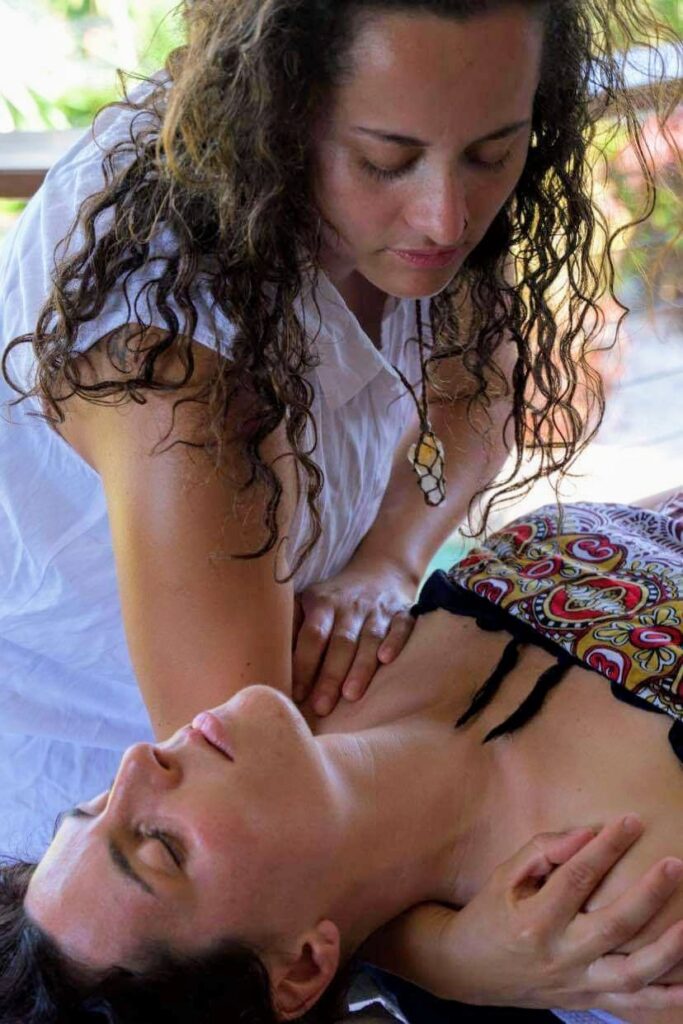
Massage for chronic pain, what works.
Massage helps the muscular and nervous-system layers of chronic pain: protective tension, sleep disruption, the overall load on the body. Not a cure. Best used as one piece of multidisciplinary management alongside GP, specialist, and other care.
Chronic vs acute pain.
The two are clinically different. The same massage technique works differently because the underlying pain mechanism is different. Recognising the distinction sets realistic expectations.
Acute pain
Tissue-related, time-limited
Chronic pain
Three months or more, complex
How massage fits in.
Chronic pain rarely has a single cause and rarely responds to a single treatment. Most patients with significant chronic pain are already working with a team: a GP, often a specialist (pain medicine, rheumatologist, neurologist), sometimes a physiotherapist, occasionally a psychologist trained in chronic pain. The chronic pain massage role within that picture is the soft-tissue and nervous-system layer. Protective muscle tension that builds up around persistent pain; the secondary load on the shoulders, neck, and hips from holding the body against pain; the autonomic nervous system stuck in a sympathetic-dominant state because pain itself is stressful.
Done well, massage and chronic pain management work together: regular sessions reduce the muscular layer of the pain experience, support sleep (often disrupted by chronic pain), regulate the stress response, and create periods of relief that the rest of life can build on. The wider treatment team handles the diagnostic and pharmacological questions; massage handles the tissue and nervous-system load.
Realistic expectations.
What massage for long term pain can and can't reasonably offer. Both sides matter; one without the other oversells or undersells.
What massage can offer
- Reduced muscular tension from the protective bracing around persistent pain
- Periods of meaningful relief after sessions, even if not lasting
- Better sleep through nervous-system regulation
- A calmer baseline for the autonomic stress response
- Movement support that makes other treatment more accessible
- Cumulative gains over months of consistent sessions
What it can't deliver
- Cure, in any meaningful sense of the word
- Pain-free days on demand, especially with severe chronic pain
- Replacement for medical, specialist, or psychological care
- Consistent results; some sessions will help more than others
- Quick changes; the work compounds over months, not weeks
- Resolution of underlying causes like disc issues or systemic disease
Pacing and recovery.
For chronic pain, what happens between sessions matters as much as what happens on the table. Four habits that compound the work.
Pacing, not pushing
The boom-bust cycle (overdoing on a good day, paying for it for days afterwards) is the single biggest avoidable contributor to flares. Steady consistent activity, even at lower levels, holds up better than peaks and crashes.
Sleep as priority
Consistent sleep is one of the most reliable pain modulators available. Disrupted sleep amplifies pain; protected sleep reduces it. The hierarchy matters: if one thing has to be defended, sleep usually earns the slot.
Movement, sized appropriately
Daily movement at a level that doesn't trigger a flare. Walking, gentle stretching, water-based movement. The amount that's right shifts with the day; the consistency of doing something matters more than any single session.
A team, not a solo project
GP, specialist where appropriate, physiotherapist, psychologist where helpful. Chronic pain is too complex to manage alone or with one provider. Massage sits as one supporting layer in a wider team.
My approach, and what I'm not.
I'm Lorena, a remedial massage therapist on the Sunshine Coast. Diploma of Remedial Massage (HLT52015) and ANTA-registered, with additional training through Mette's Institute Kahuna Levels 1, 2, and 3. For chronic pain patients, the first session is mostly history: the timeline, the working diagnoses, the team in place, the medications, the current management strategy, what's worked and what hasn't. The hands-on work then sits within that context, with pressure and approach pitched to where you are on the day rather than running through a generic routine.
My remit is the soft-tissue, nervous-system, and recovery component of chronic pain. I'm not a pain medicine specialist, GP, physiotherapist, or psychologist. The diagnostic and pharmacological side of chronic pain sits with your medical team; massage is one supporting layer, not a primary intervention. The most useful thing I can offer is consistent, careful work that fits into your wider picture without overselling what it can deliver.
Diploma of Remedial Massage (HLT52015) · ANTA registered · Mette's Institute Kahuna L1-3
When to seek more support.
Chronic pain has high overlap with mental health challenges and sometimes signals an undiagnosed condition. The patterns below mean professional escalation matters.
See a GP or mental-health professional if any apply
- Thoughts of self-harm or suicide, current or recent
- Persistent low mood or hopelessness alongside the chronic pain
- New pain that's different from your usual chronic pattern in location or quality
- New neurological symptoms (weakness, numbness, balance changes)
- Worsening pain despite stable management for a long period
- Difficulty accessing the team you need (no GP, no specialist referral, no psychology support)
In Australia, call Lifeline on 13 11 14 for immediate support. Chronic Pain Australia (chronicpainaustralia.org.au) is a useful resource for ongoing support and information.
For chronic pain patients already supported by a wider team, massage sits alongside that care as soft-tissue and nervous-system support. Sessions are claimable through most extras cover when delivered as remedial; details on the health fund rebates page. For chronic pain patterns with significant exercise or load contribution, the sports massage page covers the active-recovery angle alongside.
Session pricing.
Clinic at Valdora or mobile across the Sunshine Coast. Chronic pain sessions usually run 60 or 75 minutes; 90 if multiple regions need attention or pace needs to stay gentle. Claimable through most extras cover.
Mobile prices include travel surcharge by zone ($10 to $30 depending on suburb). Full pricing page.
Chronic pain massage FAQ.
Can massage really help chronic pain?
For most chronic pain patterns, yes, but probably not the way the word help is sometimes interpreted. Massage doesn't cure chronic pain. What it does is reduce the muscular tension around persistent pain, regulate the nervous system, and support sleep and movement, all of which contribute to overall management. The honest framing: one tool in a wider toolkit, sitting alongside whatever GP, specialist, physio, or psychological care is in place.
How often should I get massage for chronic pain?
Most commonly fortnightly to monthly. Weekly can be useful during a flare but sustained weekly often runs into diminishing returns and isn't financially viable. The work compounds with consistency over time; one-off sessions during peak pain rarely deliver what a steady rhythm of regular sessions can. Exact frequency adjusts to how you respond.
Will massage cure my chronic pain?
No. Anyone selling massage as a cure for chronic pain is overselling. What massage can honestly offer is part of an ongoing management strategy: reduced muscular contribution, better sleep and mood, recovery support, calmer baseline nervous system. For some patients these add up to a meaningfully different quality of life; for others the benefit is smaller. The realistic frame is improvement and support, not cure.
Book your session for chronic pain.
Remedial massage as part of chronic pain management on the Sunshine Coast. ANTA-registered, claimable through extras cover. Clinic at Valdora or mobile to your home.