Massage for frozen shoulder.
Phase-aware remedial massage for frozen shoulder (adhesive capsulitis), supporting the muscular layer at each stage. Physiotherapy leads; massage helps the compensation patterns and protective tension. Recovery is measured in months, not weeks.
Massage for frozen shoulder, what works.
Phase-aware gentle massage supports the muscular layer at each stage of frozen shoulder. Physiotherapy is the lead discipline. Massage handles compensation patterns, protective tension, and the load on the unaffected side. Recovery is measured in months, not weeks.
Frozen shoulder phases.
Adhesive capsulitis runs through three distinct phases, each with its own pattern. Treatment shifts with the phase; understanding which phase you're in shapes everything.
Freezing (painful)
Pain increases, range decreases. Often most painful at night. Onset can be gradual or follow minor trauma. Inflammation in the joint capsule drives the pattern; aggressive treatment usually flares the picture.
Frozen (stiff)
Pain settles, range stays severely restricted. The joint capsule has thickened and contracted. Day-to-day function is significantly affected. More targeted treatment becomes possible as the inflammation reduces.
Thawing (recovery)
Range gradually returns. The longest phase, and the one where ongoing treatment most clearly contributes to outcomes. Most patients regain most of their range, though some loss can persist long-term.
When massage helps each phase.
In the freezing phase, treatment stays gentle. The inflamed capsule responds badly to anything aggressive; pushing into restricted range or doing deep work around the shoulder usually produces a multi-day flare. Frozen shoulder massage in this phase focuses on the surrounding muscle bracing: the upper trapezius and levator scapulae that lift to compensate, the rhomboids and pec minor that pull around the joint, and the cervical and thoracic spine that hold the protective pattern. The shoulder itself gets light contact only.
In the frozen phase, more targeted work becomes possible as inflammation settles. Adhesive capsulitis massage at this stage can do meaningful work on the rotator cuff and shoulder girdle, supporting the physiotherapy that leads on capsular work and range. In the thawing phase, ongoing massage supports the return of motion: releasing the layers of tension that built up during the long restricted period, helping the body re-pattern shoulder movement. This is the phase where massage contributes most clearly.
Working with physio.
For frozen shoulder specifically, physiotherapy is the lead discipline. The capsular work, range-of-motion progression, loaded movement that drives recovery, and diagnostic input that distinguishes frozen shoulder from other shoulder conditions all sit with physio. A sports medicine doctor or specialist may be involved if injections or imaging are part of the picture.
Massage sits in support, addressing the soft-tissue layer that physio doesn't have the time or scope to cover in depth. The most useful version of this combination is when both providers know what the other is doing: the patient mentions when they're seeing the massage therapist, and what the physio is currently working on. Sessions then complement rather than overlap. For the wider shoulder picture (including how to differentiate frozen shoulder from rotator cuff and impingement), the shoulder pain massage page covers more.
Realistic recovery timeline.
Frozen shoulder is one of the few musculoskeletal conditions with a genuinely long honest timeline. Both sides matter; one without the other oversells or undersells.
What's realistic
- Most cases resolve within one to three years
- Most range returns, though some loss can persist long-term
- The thawing phase is gradual, with steady incremental gains
- Symptom relief from supportive treatment in each phase
- Better outcomes when physio and massage work together
- Resumption of normal function for the vast majority
What's not realistic
- Resolution in weeks from any treatment combination
- "Breaking through" the capsule with aggressive massage
- Skipping a phase through harder treatment
- Linear, predictable improvement; flares and plateaus are normal
- Full identical range to the unaffected side in every case
- Massage as primary treatment; physio leads, massage supports
My approach, and what I'm not.
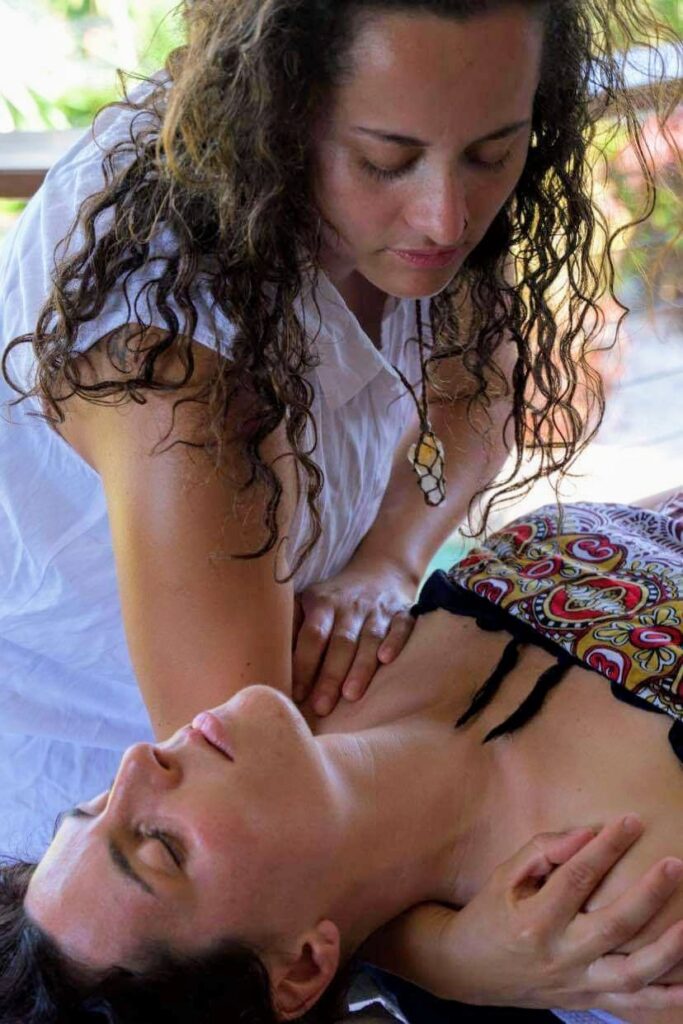
I'm Lorena, a remedial massage therapist on the Sunshine Coast. Diploma of Remedial Massage (HLT52015) and ANTA-registered, with additional training through Mette's Institute Kahuna Levels 1, 2, and 3. A first frozen shoulder session starts with detailed history: how long, which phase, what physio or medical care is in place, what's flared previously. Hands-on work then runs at pressure and depth appropriate to the phase, focused on the surrounding compensation pattern rather than aggressive work on the joint itself.
My remit is the muscular and soft-tissue layer that supports the wider frozen shoulder picture. I'm not a physiotherapist, sports medicine doctor, or orthopaedic specialist, and the diagnostic, capsular, imaging, and decision-making aspects sit with those providers as the lead. Looking for the best massage for stiff shoulder patterns including frozen shoulder locally? Credential is the floor; what matters more is working alongside your physiotherapist and matching the treatment to the phase you're in.
Diploma of Remedial Massage (HLT52015) · ANTA registered · Mette's Institute Kahuna L1-3
When physio or medical leads.
Frozen shoulder needs medical or physiotherapy input as primary care. The signs below mean assessment is the first step, with massage following as supportive care.
See a GP or physio first if
- Frozen shoulder is suspected but not formally diagnosed (other shoulder conditions can mimic it)
- You're in the freezing phase without medical input on the wider treatment plan
- Severe pain that wakes you regularly at night without position relief
- Worsening despite stable treatment for an extended period (the underlying timeline can still be running, but worsening warrants review)
- Sudden complete loss of range rather than the gradual onset typical of frozen shoulder
- Numbness, tingling, or weakness in the arm beyond the immediate shoulder area
For frozen shoulder patients already supported by physio or medical care, regular massage fits well alongside as supportive treatment. Without that wider care in place, getting assessment first is the right step.
For frozen shoulder patients with appropriate physio or medical care in place, supportive massage sits well in the wider picture. Sessions are claimable through most extras cover when delivered as remedial massage; details on the health fund rebates page. For active patients managing frozen shoulder alongside training, the sports massage page covers more.
Session pricing.
Clinic at Valdora or mobile across the Sunshine Coast. Frozen shoulder sessions usually run 60 or 75 minutes to cover the shoulder girdle and compensation patterns. Claimable through most extras cover.
Mobile prices include travel surcharge by zone ($10 to $30 depending on suburb). Full pricing page.
Frozen shoulder massage FAQ.
Can massage cure frozen shoulder?
No, and anyone claiming otherwise is overselling. Frozen shoulder is self-limiting and runs its own timeline regardless of treatment, typically resolving over one to three years. What massage can do is support the muscular layer at each phase: releasing protective tension, supporting compensatory patterns, reducing the overall load while physio leads. The honest framing is supportive care for an underlying condition that needs time.
How long does frozen shoulder last?
Most cases run one to three years through three distinct phases: freezing (2 to 9 months), frozen (4 to 12 months), thawing (5 to 26 months). The timeline is unusually long compared to other shoulder conditions, and resolution happens largely on its own schedule. Treatment helps symptoms and recovery speed at the edges; the timeline is set by the condition itself.
What's the difference between frozen shoulder and a stiff shoulder?
True frozen shoulder involves the joint capsule itself contracting, producing restricted movement in all directions with passive range as limited as active. A generally stiff shoulder from muscle tension, overuse, or postural patterns has different qualities: variable range between active and passive, specific movements more limited than others, responding quickly to muscle-focused treatment. A physiotherapist or doctor can confirm which you have.
Book your session for frozen shoulder.
Phase-aware remedial massage on the Sunshine Coast. ANTA-registered, claimable through extras cover. Working alongside your physio and matching the treatment to the phase.