
Massage for fibromyalgia.
Gentle-pressure remedial massage as supportive care for fibromyalgia, with honest scope-of-practice about variable results. Deep work is not appropriate for fibromyalgia. The whole approach centres on gentle, slow, and pacing-aware sessions.
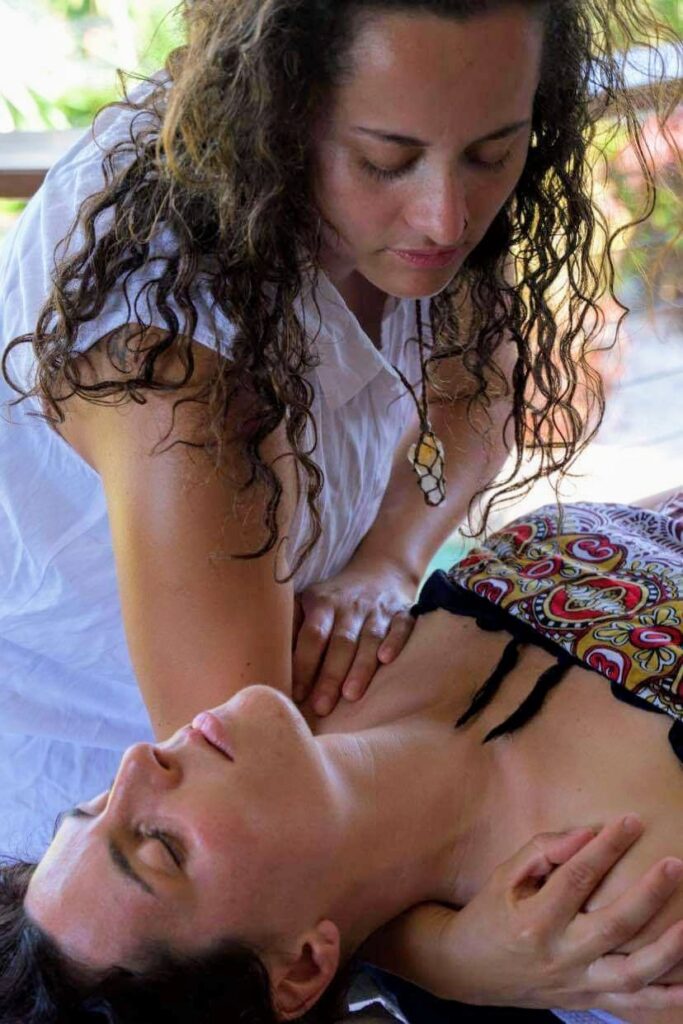
Massage for fibromyalgia, what works.
Gentle pressure, slow pace, pacing-aware sessions. Massage supports the nervous-system and muscular layers of fibromyalgia, with variable results that tend toward modest rather than dramatic. Deep tissue work is inappropriate for fibromyalgia and often makes the picture worse.
What fibromyalgia is.
A real, recognised chronic pain syndrome. The dominant mechanism is central sensitisation: the nervous system amplifies pain signals beyond the level the body would normally produce. Four features that shape how massage fits in.
Widespread pain, three months or more
Pain across multiple body regions, persisting for at least three months. Not a single localised pattern; a whole-body experience that varies in intensity and location from day to day.
Central sensitisation
The nervous system amplifies pain signals and lowers the threshold for what registers as painful. Pressure that feels neutral to others can feel painful with fibromyalgia. This is the clinical reason gentle pressure is required.
Sleep disruption and fatigue
Non-restorative sleep is a hallmark; patients wake unrefreshed even after long nights. Fatigue runs alongside the pain; the two compound each other across the week.
Cognitive symptoms
Often called fibro fog. Difficulty concentrating, word-finding, short-term memory issues, more pronounced on flare days. Real, recognised, and one of the more frustrating features of the condition.
Why gentle pressure matters.
For fibromyalgia, pressure level is not a stylistic preference but a clinical requirement. Gentle massage fibromyalgia patients can tolerate helps; deep work usually flares the condition.
What helps
- Gentle, slow pressure that stays below the threshold of pain
- Long continuous strokes (Kahuna-style) for nervous-system settling
- Reading the day, adjusting pressure to current sensitivity
- Shorter sessions if needed, with checking-in throughout
- Comfort positioning with bolsters and supports
- Slow build over months, not weeks
What flares
- Deep tissue pressure at any depth that would feel intense to a non-fibromyalgia patient
- "No pain no gain" framing, which contradicts how fibromyalgia works
- Trigger point work at therapeutic-pressure levels
- Long sessions on first visits before pressure tolerance is established
- Rapid pace that doesn't give the nervous system time to settle
- Pushing through when sensitivity is clearly heightened
How I work with fibromyalgia.
A first fibromyalgia massage session starts with extended intake: how long, what diagnosis, what's in place, what's flared in the past, what other care is happening. The hands-on work then runs with pressure dialled deliberately low and checking-in built into the session. The aim of the first session isn't to deliver maximum therapeutic value; it's to establish where the pressure tolerance sits today and to confirm the session won't trigger a multi-day flare. That can mean a shorter first booking, or a 60-minute session that uses only gentle work across the whole body without going deeper anywhere.
Subsequent sessions build slowly. The goal across months is regulating the nervous system toward a calmer baseline, reducing protective muscle tension, and creating periods of relief that the rest of life can build on. Some sessions will help more than others; this is normal for fibromyalgia rather than a sign something's wrong with the approach. The work compounds with consistency, not intensity.
Pacing sessions.
For fibromyalgia, the rhythm matters as much as the content. Four principles that shape how regular sessions actually work.
Frequency, not intensity
Regular gentle sessions beat occasional deep sessions, by a wide margin. Monthly to fortnightly is the common rhythm. Weekly during flares can help, but sustained weekly often hits diminishing returns.
Recovery between sessions
Plan a quieter day or two after a session, especially in the first few months. Even gentle work asks something of the nervous system; recovery is part of the picture rather than an interruption to it.
Flare days are flare days
Sometimes massage is the right call during a flare, sometimes rescheduling is. A short rest in a quiet room beats a session pushed through against the day. Reschedule fees aren't charged when this judgement call goes the other way.
Part of a wider plan
Fibromyalgia management works best with a team: GP, rheumatologist or pain specialist, sometimes psychology, sometimes graded movement support. Massage is one supportive layer, not a primary intervention.
Who I am, and what I'm not.
I'm Lorena, a remedial massage therapist on the Sunshine Coast. Diploma of Remedial Massage (HLT52015) and ANTA-registered, with additional training through Mette's Institute Kahuna Levels 1, 2, and 3. The Kahuna training matters here: the flowing, rhythmic, continuous-stroke approach suits fibromyalgia better than spot-fix work, and lets sessions deliver nervous-system regulation without requiring deeper pressure to feel substantive.
My remit is the soft-tissue and nervous-system layer of fibromyalgia. I'm not a rheumatologist, pain medicine specialist, GP, or psychologist; the diagnostic, pharmacological, and broader management aspects of fibromyalgia sit with your medical team. The most useful thing I can offer is gentle, consistent, careful work that fits into your wider picture without pushing past what the day will accept.
Diploma of Remedial Massage (HLT52015) · ANTA registered · Mette's Institute Kahuna L1-3
When to seek more support.
Fibromyalgia has high overlap with mood and sleep conditions and sometimes hides other diagnoses. The patterns below mean professional escalation matters.
See a GP or mental-health professional if any apply
- Thoughts of self-harm or suicide, current or recent
- Persistent low mood or hopelessness alongside the fibromyalgia symptoms
- Suspected fibromyalgia without formal diagnosis (other conditions can mimic it)
- New pain patterns that are clearly different from your usual fibromyalgia experience
- Worsening symptoms despite stable management for an extended period
- No coordinated medical care in place for your fibromyalgia
In Australia, call Lifeline on 13 11 14 for immediate support. Fibromyalgia Australia is a useful resource for ongoing information and patient support.
For fibromyalgia patients already supported by a medical team, gentle massage fits well as a soft-tissue and nervous-system layer alongside that care. Sessions are claimable through most extras cover when delivered as remedial massage; details on the health fund rebates page. For active patients managing fibromyalgia alongside exercise, the sports massage page covers the recovery angle.
Session pricing.
Clinic at Valdora or mobile across the Sunshine Coast. Fibromyalgia sessions usually start at 60 minutes; longer sessions only once pressure tolerance is established. Claimable through most extras cover.
Mobile prices include travel surcharge by zone ($10 to $30 depending on suburb). Full pricing page.
Fibromyalgia massage FAQ.
Can massage help fibromyalgia?
For many patients, yes, but results are variable and gains tend to be modest rather than dramatic. Gentle massage for fibromyalgia can settle the nervous system, reduce protective tension, and support sleep, all contributing to overall management. For some patients these add up to meaningful quality-of-life improvement; for others the response is smaller. The honest framing is supportive care, with no claim that massage changes the underlying fibromyalgia.
What's the best type of massage for fibromyalgia?
Gentle, slow, consistent work, regardless of the style label. Light remedial, Kahuna bodywork, and lymphatic-style techniques all suit fibromyalgia provided pressure stays gentle. The single biggest factor is pressure level, not modality. The best massage type for fibromyalgia is the one delivered by a therapist who understands less is more and reads the day rather than running a routine.
Will deep tissue massage work for fibromyalgia?
Almost always no, and frequently makes the picture worse. The hypersensitive nervous system in fibromyalgia responds badly to deep pressure; what feels normal to a non-fibromyalgia patient often triggers a flare lasting days. Any therapist offering deep tissue as fibromyalgia treatment is misunderstanding the condition. Gentle pressure is a clinical requirement, not a stylistic choice.
Book your session for fibromyalgia.
Gentle-pressure remedial massage on the Sunshine Coast. ANTA-registered, claimable through extras cover. Clinic at Valdora or mobile to your home.