Massage for sciatica.
Assessment-led remedial massage for piriformis-related sciatic pain, with honest scope-of-practice on where massage genuinely helps and where the nerve compression needs medical assessment first. ANTA-registered therapist, claimable through most extras cover.
Massage for sciatica, what works.
Massage reliably helps piriformis-related pseudo-sciatica by releasing the muscle compressing the nerve. For true sciatica from disc compression, massage helps the compensatory tension but doesn't fix the nerve issue itself. Differentiation matters before treatment.
What sciatica really is.
"Sciatica" is a symptom (pain along the sciatic nerve), not a diagnosis. The cause shapes the treatment. The two most common patterns sit at opposite ends of the massage-helps spectrum.
True sciatica
Nerve root compression
Piriformis syndrome
Pseudo-sciatica, muscular
When massage helps sciatica.
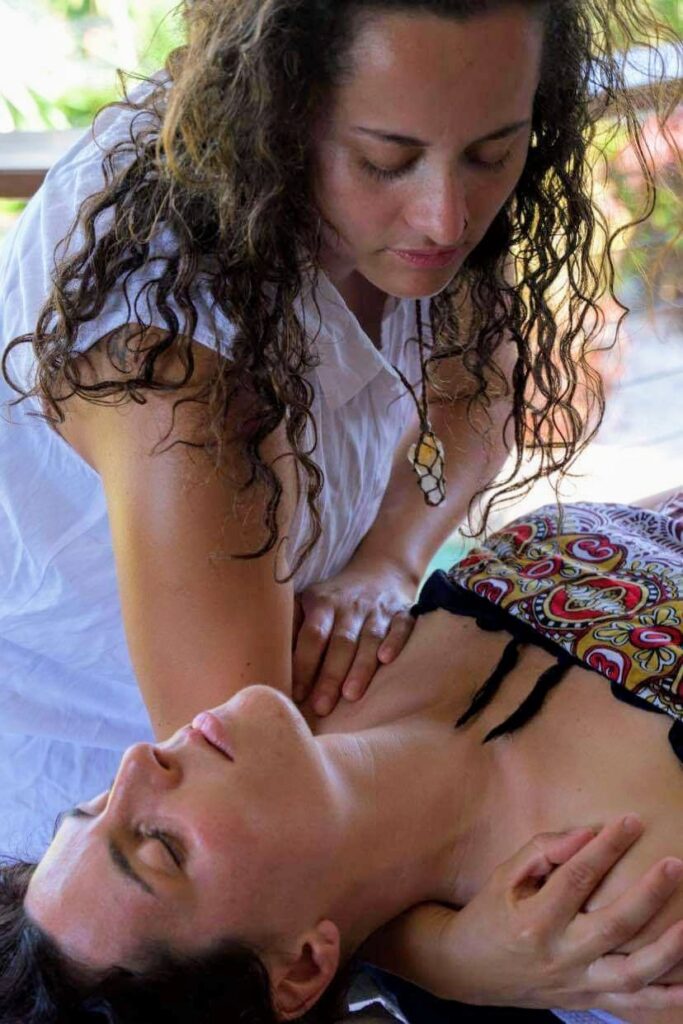
The piriformis is a small deep muscle in the buttock; when it tightens, it can press against or trap the sciatic nerve where the nerve runs through or under it. Sciatica massage targeting the piriformis directly, alongside the surrounding deep hip rotators (gemelli, obturators, quadratus femoris), releases that compression. The path is direct and the response is usually fast: two to three weekly sessions settles most piriformis pseudo-sciatica, with self-care between visits to hold the gains.
For true sciatica from disc compression, the picture is different. Massage doesn't change the disc or the nerve root compression itself, but the muscular layer around the spine and hip nearly always contributes to the overall pain experience. Releasing the protective tension in the glutes, lumbar erectors, and hip flexors that builds up around the nerve issue can meaningfully reduce day-to-day pain even when the underlying cause is structural. Massage for sciatic nerve pain in this scenario works as adjunct care alongside the physiotherapist or specialist managing the disc issue.
When not to massage.
Some sciatica patterns are wrong for massage as a starting point. The signs below mean medical assessment leads, with massage following only once the picture is clear.
Don't book massage as the first step if
- Progressive weakness in the leg or foot (foot drop, inability to lift the toes)
- Numbness or tingling that's spreading or worsening rather than improving over days
- Severe pain that no position relieves and that wakes you regularly at night
- Recent significant trauma (fall, motor vehicle accident) without medical assessment
- Inability to bear weight on the affected side
- A new acute flare with active neurological symptoms in the first few days
In any of these scenarios, a GP or physiotherapist needs to assess first. Massage can usually be added later once the picture is clearer.
Loss of bladder or bowel control, or numbness in the saddle area (around the groin or anus), alongside sciatica is a sign of cauda equina syndrome. Go to an emergency department immediately. This is not a massage question.
Self-care for sciatica.
The work between sessions matters as much as the work on the table. These four items cover most piriformis-pattern self-care.
Figure-4 piriformis stretch
Lying on your back, cross one ankle over the opposite thigh, draw the bottom knee toward your chest. 30 seconds each side, twice daily. The most direct piriformis stretch available without help.
Movement, not rest
Daily walking is one of the most reliable interventions for both piriformis and disc-related sciatica. Prolonged sitting compresses both the disc and the piriformis; gentle movement decompresses.
Tennis ball self-release
Lie on a tennis ball positioned mid-buttock, slightly toward the outside. Two to three minutes per side. Gentler than full self-massage and easier to do safely.
Sitting habits
Stand up every 30 minutes, avoid wallet-in-back-pocket pressure, sit with hips at or above knee level. The everyday sitting pattern often drives the piriformis issue.
My approach, and what I'm not.
I'm Lorena, a remedial massage therapist on the Sunshine Coast. Diploma of Remedial Massage (HLT52015) and ANTA-registered, with additional training through Mette's Institute Kahuna Levels 1, 2, and 3. A first session for sciatica starts with a careful history (pain pattern, what makes it better and worse, any neurological symptoms, prior imaging or specialist input), moves to assessment (movement tests to differentiate piriformis from nerve-root patterns), and runs targeted treatment only after the picture is reasonably clear.
My remit is the soft-tissue and movement component. I'm not a physiotherapist, chiropractor, or doctor, and sciatica from disc compression or structural issues sits within their scope as the lead provider, with massage in support. Looking for the best sciatica massage locally? The credential is the floor; what matters more is honest differentiation about which kind of sciatica you're dealing with, and whether massage is the right first step.
Diploma of Remedial Massage (HLT52015) · ANTA registered · Mette's Institute Kahuna L1-3
When I'll refer you onward.
If we've worked together for two to three sessions on what looked like piriformis pseudo-sciatica and the pattern isn't shifting, that's a sign the picture isn't what it first appeared. I'll tell you directly and recommend a GP or physiotherapist for further assessment, including imaging if appropriate. Continuing massage indefinitely when it isn't working serves nobody.
For true sciatica patients already under specialist or physio care, massage sits alongside as soft-tissue support. Letting me know what the wider treatment plan looks like helps shape the session to fit. Claimable through most extras cover; details on the health fund rebates page. For sciatic patterns related to active loads (runners, surfers, lifters), the sports massage page covers more on movement and recovery.
Session pricing.
Clinic at Valdora or mobile across the Sunshine Coast. Sciatica work usually needs 75 minutes to cover the piriformis, surrounding hip rotators, and lower back adequately. Claimable through most extras cover.
Mobile prices include travel surcharge by zone ($10 to $30 depending on suburb). Full pricing page.
Sciatica massage FAQ.
Will massage make sciatica worse?
For piriformis-related pseudo-sciatica, properly delivered massage generally helps. For true sciatica from disc compression, aggressive massage during an acute flare can irritate the inflamed nerve root and worsen symptoms temporarily. The right massage for the right type at the right time helps; the wrong one can flare it. Assessment-led work matters more here than in most conditions.
How long does massage take to help sciatica?
For piriformis-related pseudo-sciatica, two to three weekly sessions typically settle most of the picture. For true sciatica from disc compression, massage usually works as adjunct support across a longer timeline (weeks to months alongside physio-led care), helping compensatory muscle tension rather than the nerve compression itself.
Can I massage my own piriformis?
Some self-release helps. A tennis ball under the buttock, applied carefully mid-buttock toward the outside, releases some tension. Figure-4 stretches also help. Avoid aggressive deep pressure, especially with known disc issues. For ongoing pain, professional assessment is the better path because surrounding muscles usually need work alongside.
Book your session for sciatica.
Assessment-led remedial massage on the Sunshine Coast. ANTA-registered, claimable through extras cover. Clinic at Valdora or mobile to your home.