Massage for TMJ & jaw tension.
Targeted remedial massage for muscular TMJ disorders and jaw tension: masseter, temporalis, and the upper-neck cluster that feeds into the clenching pattern. External technique only. ANTA-registered, claimable through most extras cover.
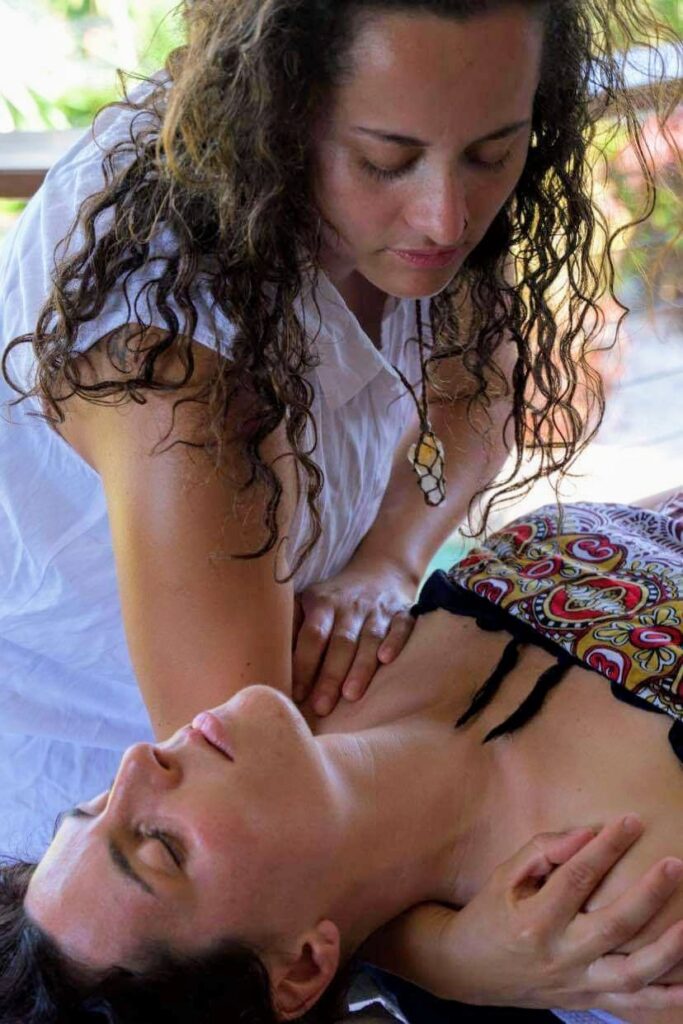
Massage for TMJ, what works.
Remedial work on masseter, temporalis, and upper-neck muscles reliably reduces the muscular component of TMJ disorders. Most TMJ is muscular and responds well to targeted treatment. Joint or disc pathology needs dental or specialist care to address directly.
What TMJ disorders are.
The temporomandibular joints (one each side) work as a pair, hinging the jaw. Disorders of the joint and the muscles that control it are common, with four typical patterns.
Muscular TMD
The most common pattern. Tight overactive masseter, temporalis, and pterygoid muscles producing jaw ache, headaches, and ear pain. Usually driven by bruxism, stress, or postural patterns. Responds well to massage.
Disc displacement
The disc within the joint shifts position, producing clicking, popping, or locking. Massage helps the muscular layer around it; the joint mechanics themselves usually need dental or specialist input.
Bruxism comorbidity
Teeth grinding or clenching, often unconsciously and often at night, drives much TMJ tension. Massage releases the resulting muscle load; a dental night guard usually addresses the underlying grinding.
Neck and posture link
Forward head posture changes jaw mechanics, and upper-neck tension feeds into the TMJ system. Most TMJ patients carry meaningful neck tension alongside, and treating both together works better than either alone.
How massage helps.
For muscular TMJ disorders, jaw pain massage targets the chronic overactivation of the chewing muscles. The masseter (along the jaw line) and temporalis (along the side of the head above the ear) carry most of the visible tension; the pterygoids (deeper, internal to the jaw) carry a quieter contribution that's harder to access externally. Releasing the masseter and temporalis directly, alongside the suboccipitals and upper trapezius at the back of the neck, breaks the clench-pain-clench cycle that perpetuates most TMJ.
The work compounds. A first session usually produces an immediate reduction in jaw tightness, sometimes dramatic. Sustained change needs the wider habit picture to shift too: dental review for bruxism (night guards are highly effective if grinding is the driver), stress management, posture work for forward-head patterns. Massage handles the muscular layer effectively; the habits behind it sit with the dentist and the daily routine.
Intraoral vs external technique.
Two approaches exist for TMJ massage. Each has its place; honesty about which I offer matters.
External technique
From outside the face, my approach
Intraoral technique
From inside the mouth, not offered here
Self-care between sessions.
What happens between sessions matters more than the sessions for TMJ. Four habits that compound the work.
Dental review for bruxism
A night guard is one of the single most effective TMJ interventions available if grinding is part of your pattern. Worth booking a dental visit if you haven't been assessed.
Stress management
Most jaw clenching is stress-driven, often unconsciously through the day. Breath work, walking, sleep, and the wider stress-management picture all directly reduce TMJ load over time.
Awareness through the day
"Lips together, teeth apart" is the neutral jaw position. Through the day, noticing if the teeth are touching and consciously dropping the jaw breaks an enormous amount of unconscious load.
Diet through flares
Softer foods during active TMJ flares, smaller bites generally, avoiding heavy chewing on one side. Not forever; just while the muscles settle.
My approach, and what I'm not.
I'm Lorena, a remedial massage therapist on the Sunshine Coast. Diploma of Remedial Massage (HLT52015) and ANTA-registered, with additional training through Mette's Institute Kahuna Levels 1, 2, and 3. A first TMJ session starts with history: how long, what triggers, dental review status, stress and sleep patterns, any clicking or locking. Hands-on work targets masseter, temporalis, suboccipitals, upper trapezius, and SCM with external technique throughout. A typical session covers jaw and neck together since the two systems are inseparable.
My remit is the muscular component of TMJ and the connected neck tension. I'm not a dentist, oral surgeon, or maxillofacial specialist, and the joint mechanics, bite issues, dental causes, and bruxism diagnosis sit with dental care. Looking for the best massage for jaw tension locally? Credential is the floor; what matters more is treating the muscular layer well and being honest about when dental review needs to lead.
Diploma of Remedial Massage (HLT52015) · ANTA registered · Mette's Institute Kahuna L1-3
When to see a dentist or doctor first.
Most muscular TMJ patterns suit massage. Some signs mean dental or medical review is the first step, with massage following only after the picture is clearer.
See a dentist or GP first if
- The jaw is locked (won't open, won't close, or stuck partly open)
- Significant clicking or popping with pain that's been progressing rather than improving
- Severe tooth pain alongside jaw pain (possible dental cause)
- Fever, swelling, or signs of infection around the jaw or ear
- Suspected bruxism without prior dental review (night guard assessment usually warranted)
- Recent dental work or oral surgery that hasn't been cleared for massage
Dental review for TMJ pays dividends regardless: even with massage going well, a night guard for grinding usually transforms the picture.
For muscular TMJ alongside dental care, regular massage sits well in the wider picture. Sessions are claimable through most extras cover when delivered as remedial massage; details on the health fund rebates page. For TMJ patients with associated neck tension or training-related load, the sports massage page covers the recovery angle.
Session pricing.
Clinic at Valdora or mobile across the Sunshine Coast. TMJ sessions usually run 60 minutes for focused jaw and neck work; 75 if the wider picture needs coverage. Claimable through most extras cover.
Mobile prices include travel surcharge by zone ($10 to $30 depending on suburb). Full pricing page.
TMJ massage FAQ.
Can massage help TMJ?
For muscular TMJ disorders (the most common type), yes, often substantially. TMJ massage targets masseter, temporalis, and surrounding neck muscles where chronic clenching builds tension. Releasing those muscles reduces load on the joint and breaks the clench-pain-clench cycle. For disc-displacement or arthritic TMD, massage helps the muscular contribution but the joint issue needs dental or specialist care.
Is intraoral massage uncomfortable?
For this practice, the question doesn't arise: I offer external technique only, working the jaw and surrounding muscles from outside the face. Intraoral work (gloved fingers in the mouth to access pterygoid muscles) is offered by some therapists with additional training. For patients wanting intraoral as part of TMJ treatment, a therapist or dentist with specific intraoral certification is the right referral.
How long does it take TMJ massage to feel better?
Most patients notice meaningful change within two to three weekly sessions for an active flare. Long-running patterns with significant bruxism often need ongoing fortnightly to monthly sessions, especially combined with a night guard, stress management, and posture work. The muscular component responds quickly; underlying habits take longer, which is where between-session self-care matters.
Book your session for TMJ & jaw tension.
External-technique remedial massage on the Sunshine Coast. ANTA-registered, claimable through extras cover. Clinic at Valdora or mobile.