
Massage for whiplash & car accident recovery.
Subacute and recovery-phase remedial massage for whiplash and car accident injuries, with honest scope-of-practice on timing, medical assessment, and CTP insurance. Not in the first 48 to 72 hours; assessment-led thereafter.
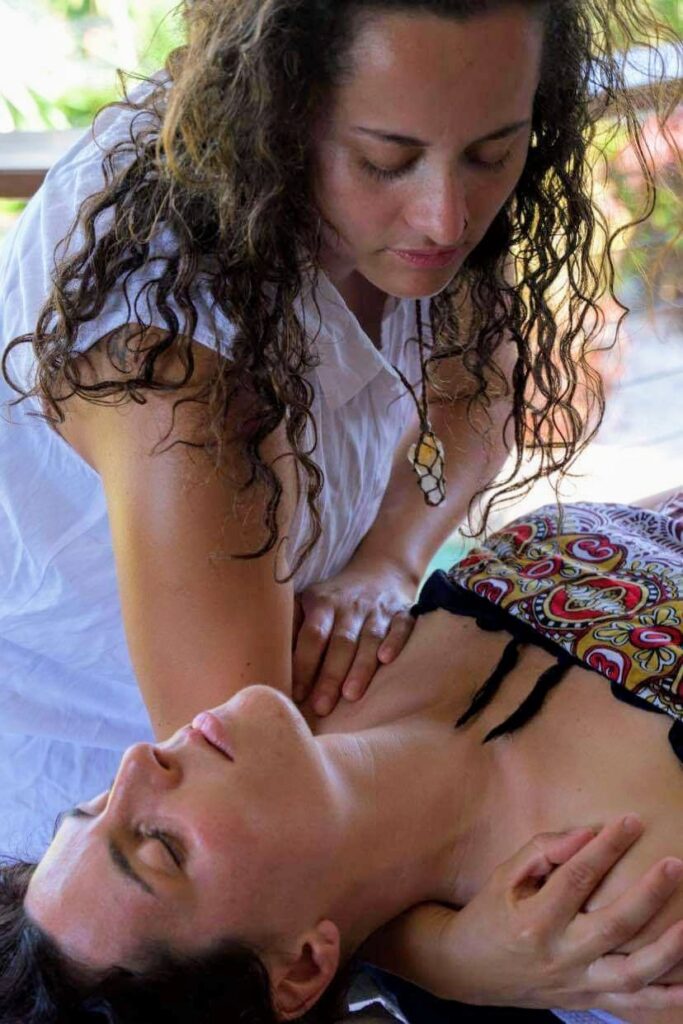
Massage for whiplash, what works.
Subacute and recovery-phase remedial work on the deep neck flexors, suboccipitals, upper traps, and levator scapulae helps whiplash recovery meaningfully. Not in the first 48 to 72 hours; medical assessment leads, with massage joining once acute inflammation settles.
Whiplash explained.
A rapid acceleration-deceleration injury to the neck, most commonly from rear-end collisions. Four features that shape recovery and where massage fits.
The mechanism
Sudden head movement beyond normal range, usually backward then forward. Strains multiple structures: neck flexors and extensors, ligaments, joint capsules, sometimes discs.
Common symptoms
Neck pain and stiffness, headache, dizziness, sometimes upper-back and shoulder pain. Symptom onset is often delayed 24 to 72 hours after the accident.
Severity grading
The Quebec Task Force grades whiplash 0 to 4. Most whiplash is grade 1 to 2 (pain with or without limited range), responding well to conservative care including remedial massage in the subacute phase.
Recovery timelines
Most whiplash resolves within 6 to 12 weeks with appropriate care. Some develop chronic whiplash-associated disorder; the muscular component remains treatable in chronic cases.
Acute vs subacute phase.
The single most important distinction for whiplash massage. The same techniques are right in the second phase and wrong in the first.
Acute phase
First 48 to 72 hours
Subacute phase
Day three onward, settling inflammation
When to start massage post-injury.
A typical recovery rhythm for grade 1 to 2 whiplash. Severe cases (grade 3 to 4) follow longer timelines led by specialist care.
Medical first
Acute phase
GP or ED assessment. Rest, ice, gentle movement. Insurance documentation. No massage.
Gentle introduction
Subacute, early
Light remedial work around the area. Physio referral if not in place. Movement expanding.
Active recovery
Subacute
Weekly to fortnightly massage alongside physio. Direct work on affected muscles. Range and strength building.
Resolution or chronic
Recovery or ongoing
Most cases resolve. Symptoms past 3 months become chronic whiplash; fortnightly to monthly support helps.
Working with your insurance.
Car accident injuries in Queensland sit within the CTP insurance system. Massage may be claimable in some cases; general picture follows, not specific claim advice.
Queensland's Compulsory Third Party (CTP) insurance scheme covers personal injury claims from motor vehicle accidents. Car accident massage as part of a documented treatment plan from a GP or physiotherapist is sometimes claimable through the relevant insurer or via your solicitor handling the claim. Reality is variable: some claims include massage readily, some require it within a structured plan with another provider as lead, some don't cover it at all. Your GP, physio, or legal rep is the right contact for what applies.
What helps your claim go smoothly
- Get medical assessment quickly, ideally the day of the accident or the day after, even for seemingly minor symptoms
- Keep every receipt and report: GP visits, physio reports, massage receipts, scripts, scans
- Document symptoms in writing as they appear, with dates; symptoms often build over days
- Ask your GP or physio whether massage as part of the plan suits your specific claim before booking
- Communicate with your insurer or solicitor if unsure what's covered before booking ongoing sessions
Important: I'm not an insurance broker, legal representative, or claim adviser. Your GP, physiotherapist, and solicitor are the right contacts. This page provides general orientation, not specific advice for your situation.
My approach, and what I'm not.
I'm Lorena, a remedial massage therapist on the Sunshine Coast. Diploma of Remedial Massage (HLT52015) and ANTA-registered, with additional training through Mette's Institute Kahuna Levels 1, 2, and 3. A first whiplash session starts with history: when the accident happened, what assessment has been done, what's in the treatment plan, what your physio or GP has advised. Hands-on work runs within that context, targeting affected muscle groups (deep neck flexors, suboccipitals, upper traps, levator scapulae, often pec minor) at pressure appropriate to the phase.
My remit is the soft-tissue and muscular component of whiplash recovery and massage for neck injury patterns generally. I'm not a physiotherapist, GP, sports medicine doctor, or chiropractor. Diagnostic, imaging, and medical management aspects sit with those providers. Looking for the best whiplash massage locally? Credential is the floor; what matters more is working alongside your wider care team rather than running parallel without coordination.
Diploma of Remedial Massage (HLT52015) · ANTA registered · Mette's Institute Kahuna L1-3
When medical care leads.
Some whiplash signs mean massage is the wrong starting point. The patterns below need medical assessment first.
Get medical assessment, not a massage booking, if
- You're within 48 to 72 hours of the accident, regardless of symptom severity
- Severe headache, vision changes, or dizziness beyond mild post-injury symptoms
- Numbness, tingling, or weakness in arms, hands, or legs
- Loss of consciousness at any point during or after the accident
- Inability to move the neck in any direction without severe pain
- Memory or cognitive issues after the accident (possible concussion)
For any of these signs, the emergency department or your GP is the right first step. Massage is not appropriate.
For subacute and chronic whiplash patients with appropriate medical care in place, regular massage sits well as part of the wider recovery picture. Sessions are claimable through most extras cover when delivered as remedial massage for general bookings; for CTP-related bookings, check the route with your provider first. Details on extras cover on the health fund rebates page. For active patients combining recovery with training, the sports massage page covers more.
Session pricing.
Clinic at Valdora or mobile across the Sunshine Coast. Whiplash sessions usually run 60 or 75 minutes; 90 for cases needing wider coverage. Claimable through most extras cover as remedial.
Mobile prices include travel surcharge by zone ($10 to $30 depending on suburb). Full pricing page.
Whiplash massage FAQ.
How soon after a car accident can I get a massage?
Not in the first 48 to 72 hours. The acute phase has active inflammation; deep work at this stage can worsen symptoms. Medical assessment comes first, ideally the day of the accident or the day after. Once acute inflammation has settled (typically day three to seven) and GP or physio assessment indicates massage is appropriate, gentle remedial work can begin.
Will my CTP insurance cover massage?
Possibly, depending on your specific claim and treatment plan. Queensland CTP can cover massage in some cases when it forms part of a treatment plan, usually with a GP or physio as the lead provider. Keep all receipts, document symptoms, communicate with your insurance contact about coverage. For your specific claim, your GP, physio, or legal representative is the right contact.
Can massage help long-term whiplash?
Yes. Chronic whiplash-associated disorder responds reasonably well to ongoing remedial work. The muscular component (deep neck flexors, suboccipitals, upper traps, levator scapulae) builds protective tension that can be released directly. Neurological and sensitisation components sit outside massage scope, but the muscular layer responds to targeted treatment.
Book your session for whiplash recovery.
Assessment-led remedial massage on the Sunshine Coast. ANTA-registered, claimable through extras cover as remedial. Clinic at Valdora or mobile.