Massage for hip & lower back.
Assessment-led remedial massage for hip and lower back muscular patterns: hip flexors, glutes, piriformis, lumbar erectors. Most everyday hip pain has muscular contributors that respond well. ANTA-registered, claimable through most extras cover.
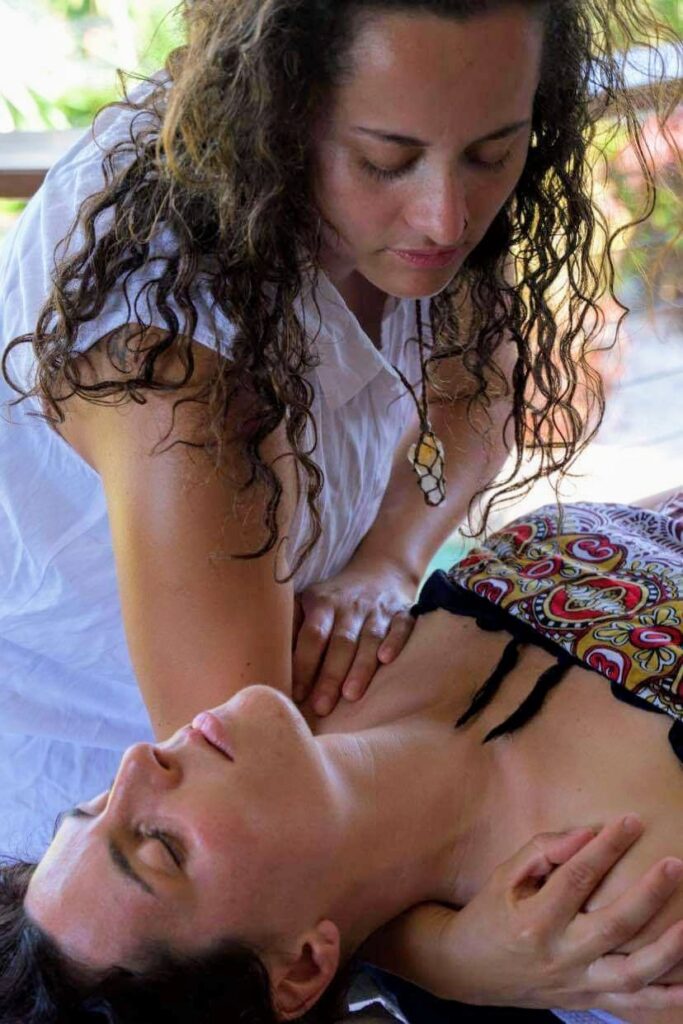
Massage for hip pain, what works.
Remedial work on iliopsoas, glutes, piriformis, and lumbar erectors reliably settles most muscular hip and lower back patterns. The hip-and-lumbar system works as one piece; treating both together works better than either alone. Not for arthritic or labral pathology directly.
Hip pain causes.
Most hip and lower back pain maps to one of a handful of muscular patterns. Recognising which one is driving your symptoms shapes the treatment.
Tight hip flexors from sitting
Hours of seated hip flexion shorten the iliopsoas and inhibit the glutes. The classic anterior pelvic tilt pattern, with lower-back tightness and limited hip extension. The single most common pattern for desk workers.
Glute weakness pattern
Inhibited gluteus maximus and medius create compensation through the lumbar erectors, hamstrings, and TFL. Often presents as one-sided lower back pain that doesn't match the hip ache.
SI joint dysfunction
Sensitivity or dysfunction in the sacroiliac joint at the back of the pelvis. Often one-sided. Muscular contributors include the deep hip rotators, glute medius, and lumbar erectors; physio is the lead provider for the joint mechanics themselves.
Lower back compensation
Lumbar erectors and quadratus lumborum tighten in response to anything else going on in the hip system. Often the most visible symptom even when the underlying driver is hip flexor or glute pattern.
Piriformis syndrome.
The piriformis is a small, deep muscle in the buttock that runs from the sacrum to the top of the femur. When it tightens, it can compress the sciatic nerve where the nerve passes through or under it. The result is deep buttock pain, often with referral down the back of the leg, worsened by sitting or prolonged hip flexion. Patients sometimes describe it as sciatica, though it's mechanically different from true nerve-root sciatica.
Piriformis massage targets the muscle directly, alongside the surrounding deep hip rotators (gemelli, obturators, quadratus femoris). The path is direct: two to three weekly sessions usually settles most piriformis-driven hip pain, with self-care between visits to hold the gains. For the full picture on sciatica patterns (including how to differentiate piriformis pseudo-sciatica from true nerve-root sciatica), the sciatica massage page covers the detail.
How massage helps.
For muscular hip and lower back patterns, hip pain massage works on several muscle groups at once because the system itself is integrated. Releasing tight hip flexors allows the pelvis to neutralise, which immediately reduces load on the lumbar erectors. Treating the glute group (maximus, medius, and the deep external rotators) restores the muscular support that holds the hip and lower back together. Settling the lumbar layer (erectors, quadratus lumborum) closes the loop with the lower back symptoms that usually accompany hip patterns.
The work compounds across sessions. A first session usually delivers immediate reduction in tightness and pain; sustained change needs ongoing self-care for the contributing positions and load patterns. For desk-related hip and lower back patterns specifically, the massage for desk workers page covers the wider posture picture. For active patients combining hip work with training, the sports massage page covers the active-recovery angle.
Hip mobility work.
For hip and lower back patterns, what you do between sessions usually matters more than what happens on the table. Four habits that compound the work.
Hip flexor stretch, daily
Half-kneeling lunge with the back hip pressed forward, 30 seconds each side, twice daily. Targets the iliopsoas directly; the single most useful daily stretch for sitting-related hip pain.
Figure-4 piriformis stretch
Lying on your back, ankle on the opposite thigh, drawing the bottom knee toward your chest. 30 seconds each side. The most accessible piriformis stretch without help.
Glute activation, regularly
Glute bridges, clamshells, or side-lying hip abduction. Two to three sets, several times a week. The glutes won't activate on their own; targeted work is needed to restore the muscular support.
Walking, daily
Daily walking is one of the most reliable interventions for hip mobility. Prolonged sitting compresses the hip flexors; gentle movement decompresses. Aim for cumulative time across the day rather than one long session.
My approach, and what I'm not.
I'm Lorena, a remedial massage therapist on the Sunshine Coast. Diploma of Remedial Massage (HLT52015) and ANTA-registered, with additional training through Mette's Institute Kahuna Levels 1, 2, and 3. A first session for hip and lower back issues starts with a careful history (the pattern, sitting and movement habits, prior treatment, any imaging) and a movement-based assessment. Hands-on work then targets the specific drivers: hip flexors, glutes, piriformis and deep rotators, lumbar erectors, quadratus lumborum, often a Tier 4 region beyond.
My remit is the soft-tissue, movement-pattern, and recovery layer. I'm not a physiotherapist, chiropractor, or doctor, and hip arthritis, labral tears, structural disc issues, and other pathology sit with those providers as the lead. Looking for the best massage for hip pain locally? The credential is the floor; what matters more is reading which pattern is actually driving your symptoms and addressing that, rather than running a generic hip routine.
Diploma of Remedial Massage (HLT52015) · ANTA registered · Mette's Institute Kahuna L1-3
When to see a doctor first.
Most hip and lower back pain is muscular and posture-driven. Some signs mean medical assessment leads first.
See a GP or physio first if
- Pain that wakes you regularly at night and isn't position-relieved
- Numbness, tingling, or weakness running down the leg (potential nerve involvement)
- Loss of bladder or bowel control, or saddle numbness (medical emergency, see ED)
- Severe limp or inability to bear weight on the affected side
- Hip pain after a fall in older patients (possible fracture)
- Suspected hip arthritis, labral tear, or stress fracture without prior assessment
For these patterns, GP or physio assessment leads. Massage can usually join later as part of the wider picture once the diagnosis is clearer.
For muscular and posture-related hip and lower back patterns, regular massage fits well into ongoing care. Sessions are claimable through most extras cover when delivered as remedial massage; details on the health fund rebates page.
Session pricing.
Clinic at Valdora or mobile across the Sunshine Coast. Hip and lower back sessions usually run 75 minutes to cover the hip-and-lumbar system together. Claimable through most extras cover.
Mobile prices include travel surcharge by zone ($10 to $30 depending on suburb). Full pricing page.
Hip pain massage FAQ.
Can massage help hip pain?
For most muscular and posture-related hip pain, yes, often substantially. Hip pain massage targets iliopsoas, glutes, piriformis, and the lumbar erectors that compensate. Releasing these settles much of the everyday hip and lower back pain from sitting, training, or general life. For hip pain from arthritis, structural issues, or labral tears, massage helps the muscular layer around the joint but doesn't change underlying pathology.
What causes tight hips?
Sustained sitting is the most common cause. Hours of seated hip flexion shorten the iliopsoas, inhibit the glutes, and produce the anterior pelvic tilt pattern driving much hip and lower back pain. Other contributors: running and cycling load, sport-specific patterns, prior injuries, pregnancy-related changes. Massage for tight hips works on the muscular layer; daily movement and reduced sitting do the longer-term work.
How often should I get hip massage?
For an active flare, weekly for two to three sessions. For an established pattern, fortnightly stretching to monthly across four to six sessions. For long-term maintenance with desk work or training load as permanent features, monthly sessions hold most of the gains when paired with daily movement and stretching.
Book your session for hip & lower back.
Assessment-led remedial massage on the Sunshine Coast. ANTA-registered, claimable through extras cover. Clinic at Valdora or mobile.